Best Indonesian Markets for UAE Travellers
Written by: VFS Global | Updated: May 25, 2026


From heritage bazaars brimming with batik to modern wholesale hubs, an Indonesian market visit is an experience in colour, craft and culinary discovery. For visitors from the UAE, Indonesia blends value with authenticity, making it an excellent Indonesia market for shopping across Jakarta, Bali, Java and beyond. This guide highlights the must visit spots, what to buy, and practical tips tailored to Emirati and GCC travellers.
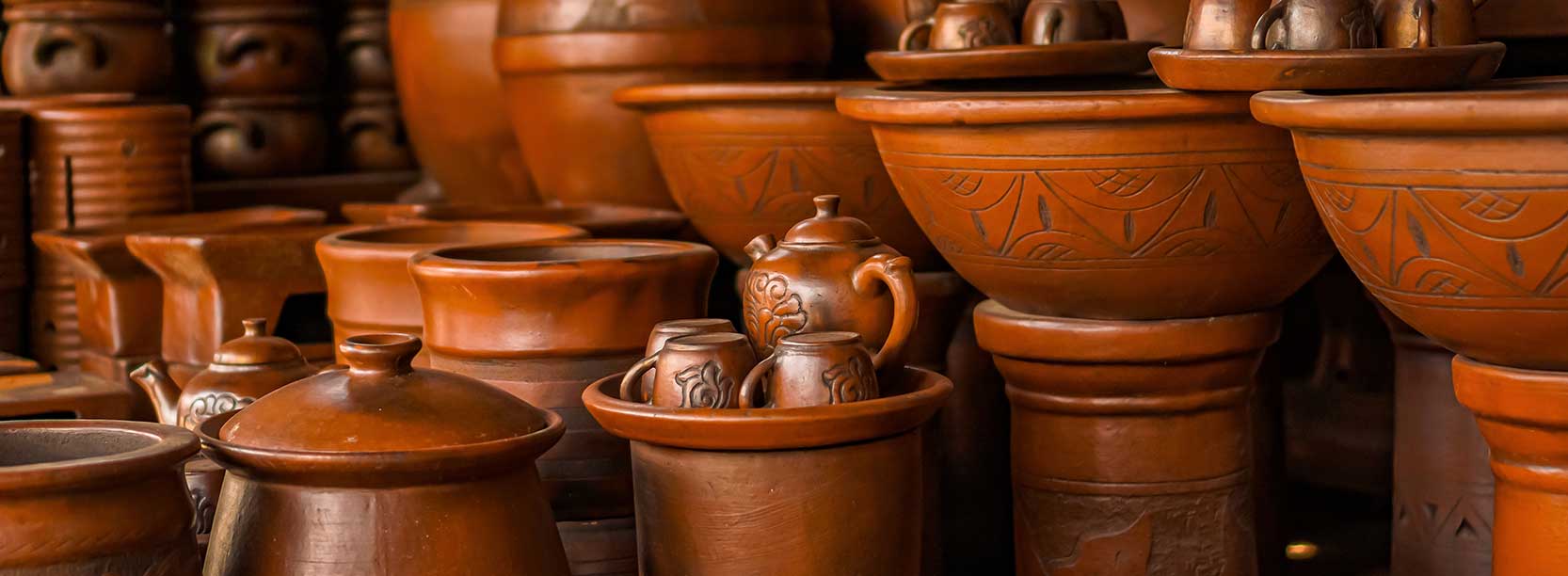
Indonesia offers a rare mix of artisan craftsmanship, bargain friendly wholesale districts and easy visa access through the official e VOA platform, which you can complete online before you fly. That convenience, plus direct and connecting flights into Jakarta and Bali, keeps the country high on shopping shortlists for Dubai and Abu Dhabi residents.

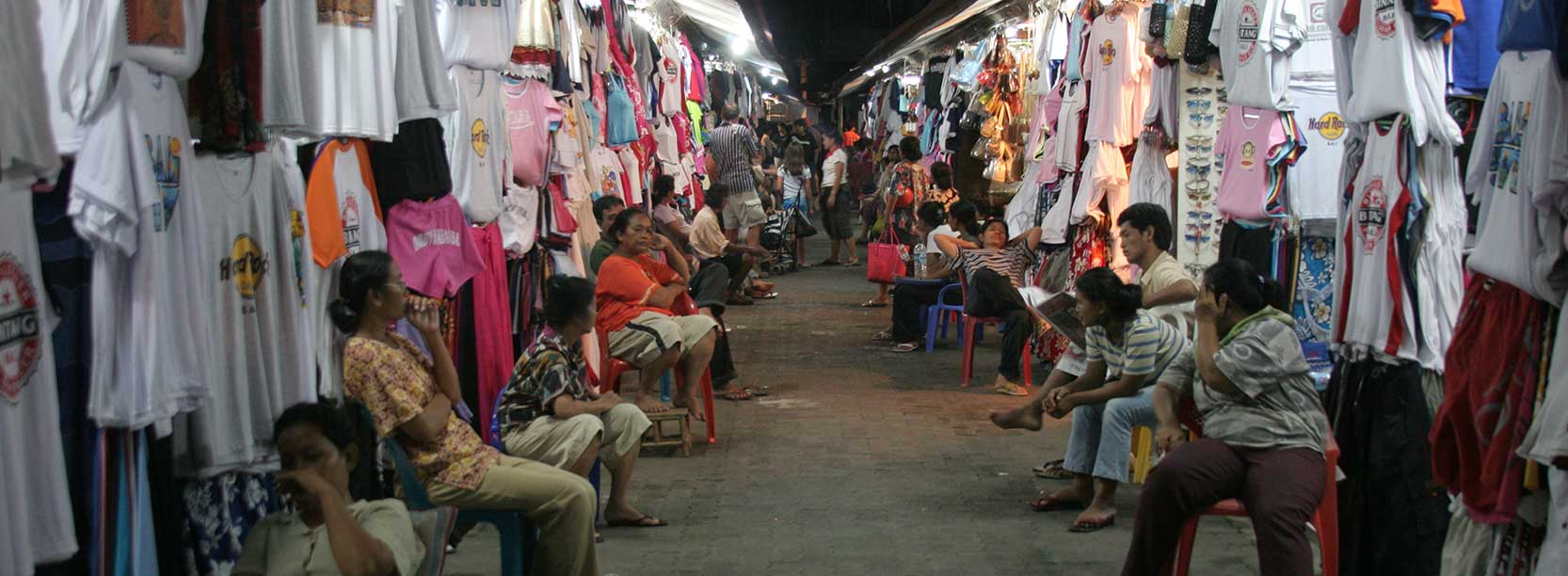
If you want a Jakarta shopping guide UAE visitors can trust, start with the capital’s legendary trade hubs.
One of the region’s largest wholesale markets, Tanah Abang is famous for batik, modest fashion, occasion wear and bulk bargains. Expect multi storey blocks, fierce competition and prices that reward buyers who compare and negotiate. It sits centrally, with easy links from Bundaran HI MRT and the commuter rail.
What to buy: bolts of batik, ready to wear, scarves, abayas, kidswear and accessories.
Among the oldest trading streets in Jakarta, Pasar Baru mixes textile houses, tailors, footwear and cameras with South Asian eateries. It is a great walkable contrast to the malls.
Insider tip: For fresh produce runs or foodie photography, the predawn bustle at Kramat Jati wholesale market is unmatched.
Looking for the best shopping in Bali for UAE tourists? Aim for these market districts that balance quality with value.
Opposite Ubud Palace, this compact maze is Bali’s best known craft market for rattan bags, wood carvings, textiles, silver and curated souvenirs. Visit early for cooler weather, calmer bargaining and better picks.
Bali’s old school, multi building art market where prices are keener and stock is broader than the resort strips. Bargaining is expected and part of the fun.
Good to know: Many stalls at Ubud and Sukawati sell the same motifs. Check stitching, carving depth and paint quality before you settle.
Jogja’s oldest market is a paradise for hand drawn and stamped batik, herbal tonics (jamu), spices and snacks. Prices range from budget printed cloth to premium batik tulis. Expect to bargain and arrive early for the best selection.
Why go: If your Indonesian market wishlist includes heritage batik for gifts or bespoke tailoring, Beringharjo is hard to beat.
Bandung’s cool highlands and textile pedigree make it Indonesia’s outlet capital. Jalan Riau, Dago and Cihampelas remain classic circuits for apparel, while Rumah Mode is a long time favourite for families.
What to expect: International export overruns, leather goods, shoes and kidswear at attractive pricing. For route planning and current clusters around Jalan Riau and Dago, see official and independent guides.
A legendary complex with hundreds of fashion, gold and fabric boutiques plus a huge food court. The “Baru” wing is modern and air conditioned while “Lama” keeps old school charm.
Tip: Weekday afternoons are calmer. Expect to bargain for clothing and accessories; gold shops typically follow daily rates.
Apply for your e VOA on the official immigration portal before you travel, then build your route: Jakarta for wholesale, Bali for crafts, Yogyakarta for batik, Bandung for outlets, and Surabaya for gold and eats. This sequence gives UAE travellers the widest range of finds in the least time.
Reminder for UAE travellers: Apply online through the official partner site before you fly. It saves time at the airport and helps you start shopping sooner.
