Best Time to Visit Bali: A Complete Seasonal Travel Guide
Written by: VFS Global | Updated: June 15, 2026


Find out the best time to visit Bali with this complete guide to seasons, weather, crowds and travel tips. Learn about the dry season, wet season, peak travel months and the best places to visit in Bali for first timers.
Bali is one of the most popular travel destinations in the world, known for its beaches, temples, lush rice terraces and vibrant culture. Choosing the best time to visit Bali can make a significant difference to your travel experience. The island has a tropical climate, which means warm temperatures throughout the year, but there are clear differences between the wet and dry seasons.
Understanding the peak season of Bali, the low season in Bali and weather patterns will help you plan better. This guide covers the best time to go to Bali, month by month insights and practical travel advice for a global audience.
Bali has a tropical monsoon climate, with two main seasons:
Temperatures are quite consistent year-round, usually ranging between 26°C and 30°C. Humidity levels are high, especially during the rainy season.
Rainfall is the main factor that affects travel plans. Some travellers prefer sunny beach days, while others are happy to visit during quieter periods with occasional showers.

The dry season is widely considered the best time of year to visit Bali. During these months, rainfall is low, days are sunny and humidity is more manageable.
This is the best time to travel to Bali for surfing, hiking and visiting temples without weather disruptions.
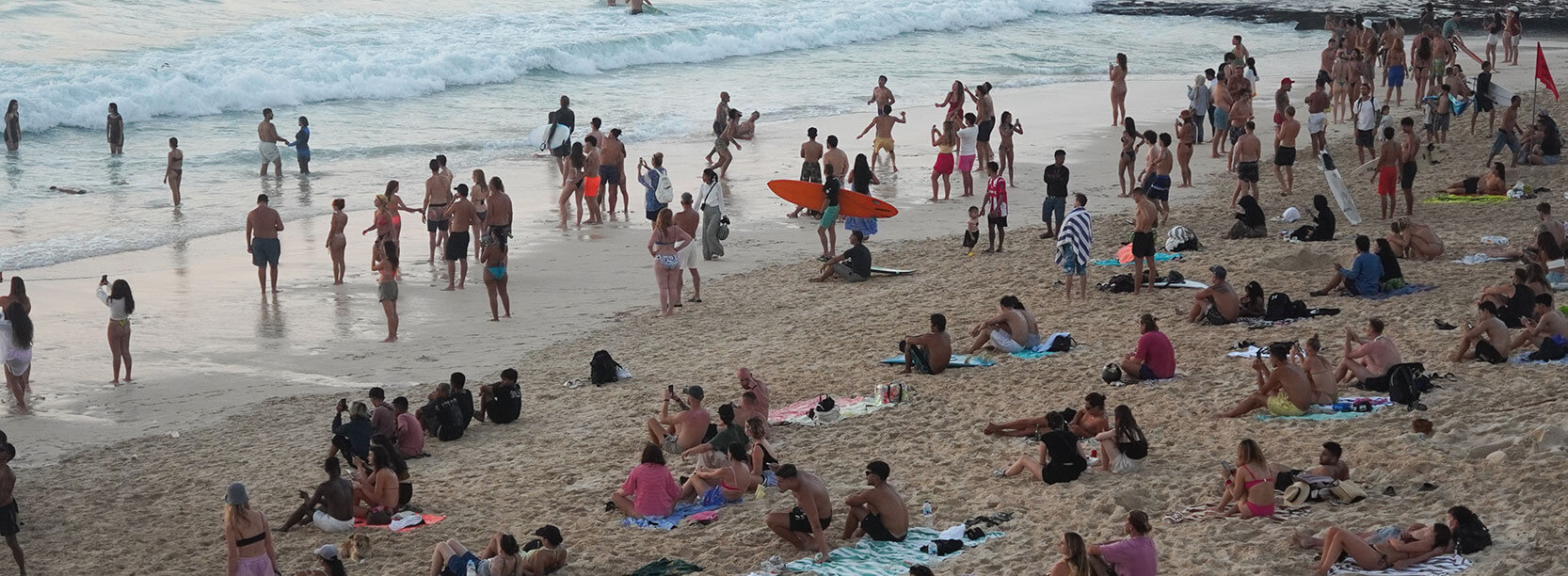
The dry season also offers excellent visibility for underwater activities, which is why divers often choose this period.
The peak season of Bali mainly falls during:
These months coincide with international school holidays and festive travel.
While the weather is excellent in July and August, December is part of the wet season, so short tropical rains are common.
If travelling during this period, planning ahead is essential.
The low season in Bali is during the peak of the rainy months. Although this period sees the most rainfall, it still has its advantages.
Rain rarely lasts all day. Many mornings remain clear, making it possible to plan activities earlier in the day.
Travellers looking for a quieter experience often enjoy this time. Budget travellers can also benefit from significant savings on accommodation and flights.
The wet season in Bali brings higher humidity and regular rainfall. However, it does not mean constant rain.
The island becomes greener and more vibrant, especially in rural areas like Ubud.
The wet season can still be a good time to visit Bali if you prefer fewer crowds and lower costs.
Choosing the best month to visit Bali depends on your travel preferences.
These months are often considered ideal. They fall at the start of the dry season and offer:
September is another excellent choice. The weather remains dry, while tourist numbers begin to drop.
October is a transition month. Rainfall begins to increase slightly, but it is still suitable for travel.
The dry season from May to September is best for beach lovers. Calm waters and clear skies make it perfect for swimming and sunbathing.
Bali is a year-round surfing destination, but the dry season offers the best waves on the west coast.
The wet season brings lush greenery and dramatic skies. Rice terraces look particularly vibrant during this time.
January to March is ideal for saving money on accommodation and flights.
If it is your first trip, combining different regions helps you experience the diversity of the island.
Known as the cultural heart of Bali, Ubud is famous for rice terraces, art markets and traditional performances.
A lively area with beach clubs, restaurants and shopping options.
A coastal region known for cliffs, temples and surfing spots.
Ideal for travellers seeking luxury resorts and calm beaches.
Popular with younger travellers, offering cafes, surf culture and nightlife.
These destinations are among the best places to visit in Bali for first timers because they provide a mix of culture, relaxation and entertainment.
Wet season, fewer crowds, lower prices
Start of dry season, ideal weather, moderate crowds
Peak season, excellent weather, high tourist numbers
Great weather, fewer crowds, good value
Transition month, occasional rain
Rain increases, festive crowds in late December
Transport options include taxis, ride hailing apps and scooter rentals.
Many international travellers can enter Indonesia with an Electronic Visa on Arrival, also known as e-VoA.
Key requirements typically include:
The e-VoA usually allows a stay of up to 30 days and can be extended once for another 30 days. Visa regulations can change, so always official partner of the Indonesian government website or authorised websites before travelling.
The best time to visit Bali depends on what you want from your trip. If sunshine and outdoor activities are a priority, the dry season is ideal. If you prefer fewer crowds and lower costs, the wet season provides good value.
Bali remains a year-round destination with something to offer every traveller, from cultural experiences to natural beauty and relaxing beaches.
Before travelling, make sure your visa arrangements are in place. Apply for your Indonesia e-VoA or check the latest official visa requirements through official partner of the Indonesian government website. Preparing in advance will help ensure a smooth and enjoyable journey.
Start planning your Bali trip today and experience one of the world’s most celebrated island destinations.
