Best Volcano Hikes in Indonesia
Written by: VFS Global | Updated: August 10, 2026


Indonesia is home to more active volcanoes than any other country in the world. Sitting along the Pacific Ring of Fire, the archipelago features more than 120 active volcanoes, many of which can be climbed by visitors. From dramatic sunrise viewpoints and volcanic craters to crater lakes and rare natural phenomena, volcano hiking is one of the most rewarding travel experiences in Indonesia.
For Indian travellers looking beyond Bali's beaches and resorts, volcano trekking offers a chance to experience Indonesia's raw natural beauty. Whether you are a first-time hiker or an experienced trekker, Indonesia has volcanoes suited to different fitness levels and adventure preferences.
This guide covers the best volcano hikes in Indonesia, including Mount Bromo, Ijen Crater, Mount Rinjani and other volcanoes worth adding to your itinerary.
Indonesia's volcanic landscapes are unlike anywhere else in the world.
Volcano hikes offer:
Many of Indonesia's volcanoes are considered sacred by local communities and have shaped the country's landscapes, history and traditions for centuries.
Unlike many mountain destinations, several Indonesian volcanoes can be accessed through guided day trips, making them suitable even for travellers without extensive trekking experience.

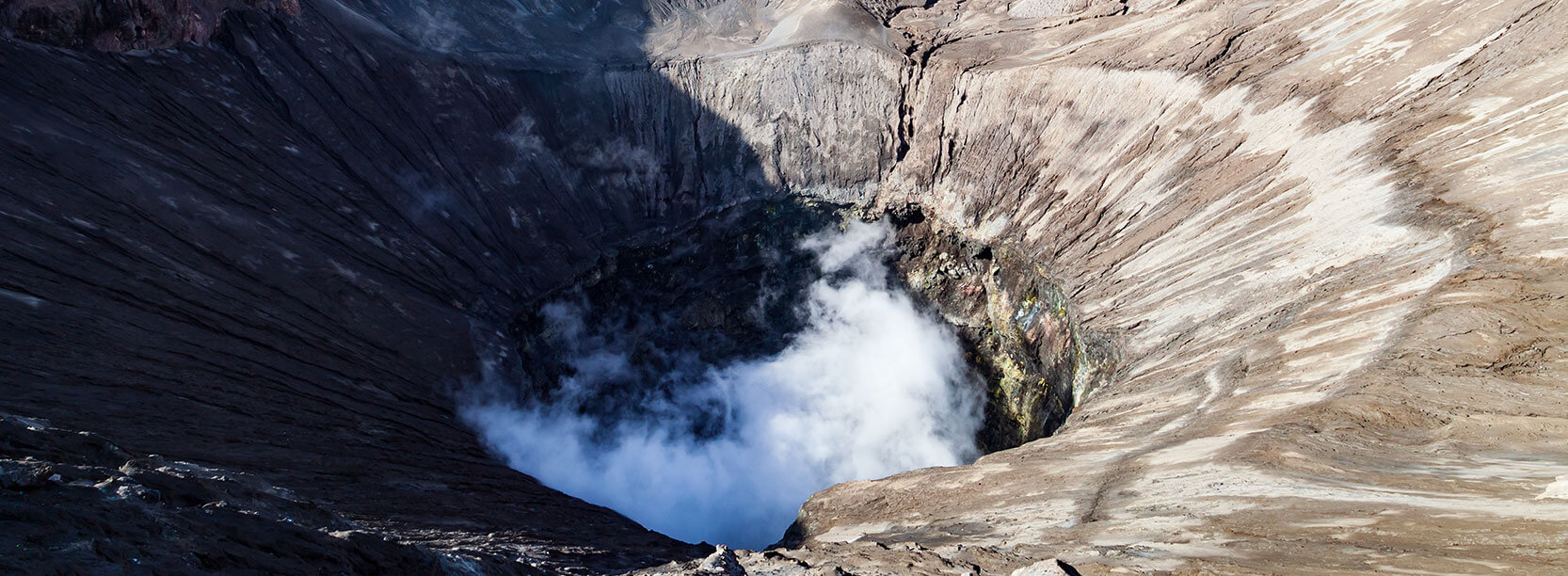
Mount Bromo is arguably Indonesia's most famous volcano and one of the easiest volcanic experiences for first-time visitors.
Located within Bromo Tengger Semeru National Park in East Java, Mount Bromo stands at approximately 2,329 metres above sea level and is surrounded by a vast volcanic plain known as the "Sea of Sand".
The iconic image of Mount Bromo at sunrise has become one of Indonesia's most recognisable travel scenes.
Unlike traditional mountain treks, visiting Mount Bromo usually involves a combination of jeep transport and a short hike.
Most visitors wake before dawn and travel to one of the region's viewpoints to watch the sunrise over:
After sunrise, travellers descend into the Sea of Sand and walk up a staircase to the crater rim of Mount Bromo itself.
The hike is relatively accessible and suitable for most travellers, including families and those with limited trekking experience.
Highlights
Best For
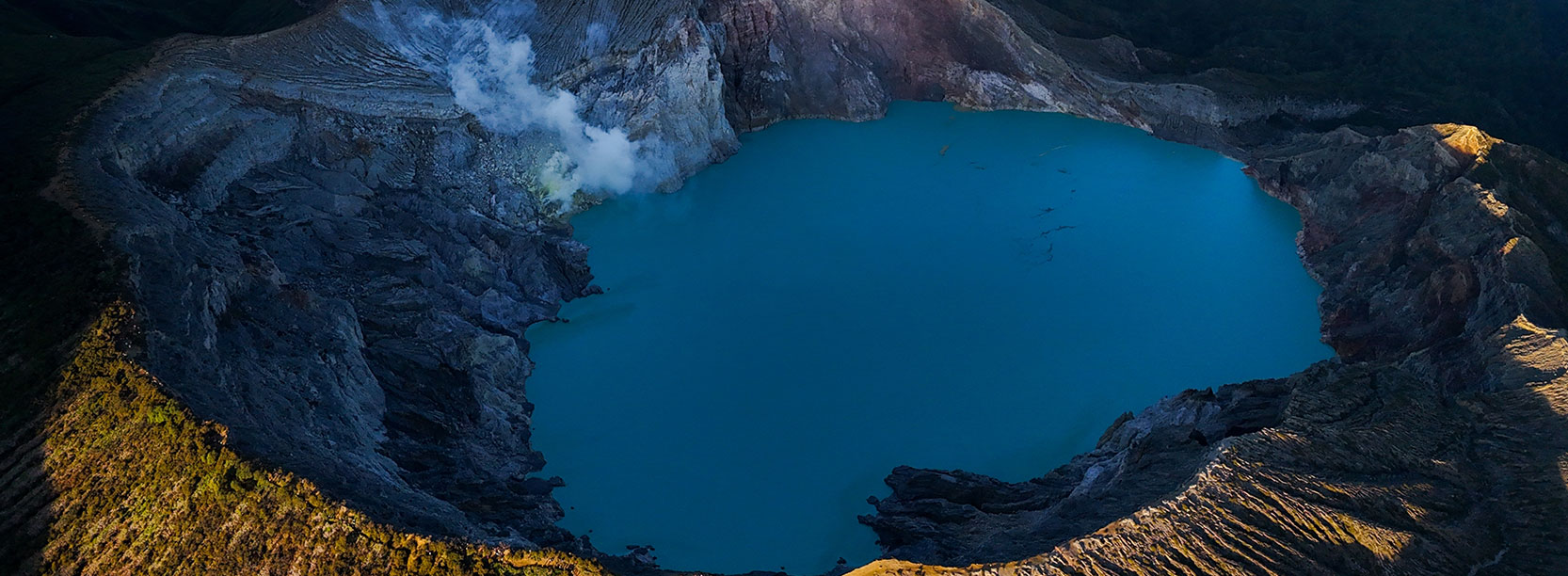
Located in East Java, Ijen Crater is one of the most unique volcanic experiences in the world.
The volcano is internationally famous for its rare blue fire phenomenon, which occurs when sulphuric gases ignite as they escape from volcanic vents.
This natural spectacle can only be seen before sunrise, making overnight treks particularly popular.
The hike begins during the early hours of the morning and leads visitors to the crater rim.
Inside the crater lies:
The crater lake is one of the largest highly acidic lakes in the world and creates a remarkable contrast against the surrounding volcanic landscape.
The trail is relatively short but includes steep sections and can become challenging due to volcanic gases and increased visitor numbers.
Many travellers wear protective masks provided by tour operators.
Highlights
Best For
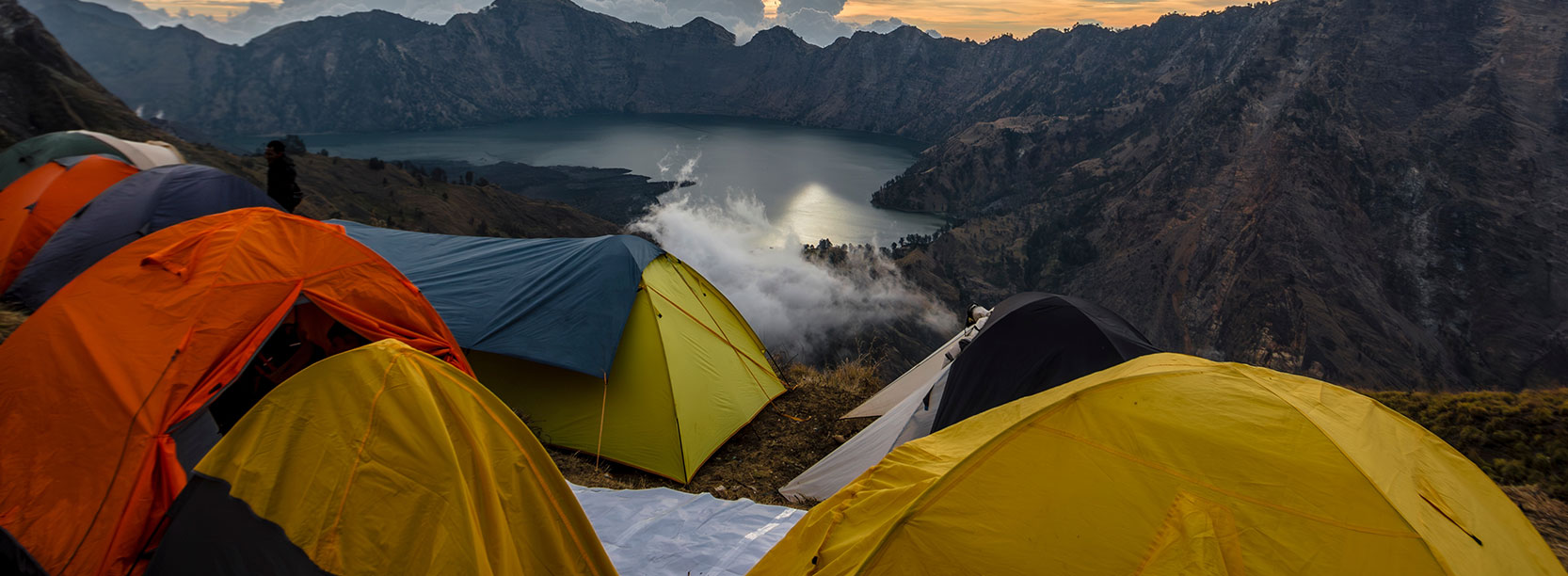
For travellers seeking a serious hiking challenge, Mount Rinjani on Lombok Island is often regarded as Indonesia's ultimate volcano trek.
Rising to 3,726 metres, Mount Rinjani is Indonesia's second-highest volcano and one of Southeast Asia's most rewarding mountain adventures.
The trek combines volcanic landscapes, high-altitude hiking and unforgettable views.
Unlike Bromo and Ijen, Rinjani is a multi-day expedition.
Most trekking routes include visits to:
The sheer scale of the volcano makes Rinjani one of Indonesia's most dramatic trekking destinations.
Sunrise from the summit rewards hikers with panoramic views across:
Mount Rinjani requires good fitness levels and preparation.
The trek typically lasts:
depending on itinerary and route.
Highlights
Best For
While Bromo, Ijen and Rinjani receive most of the attention, Indonesia offers many other volcanic adventures.
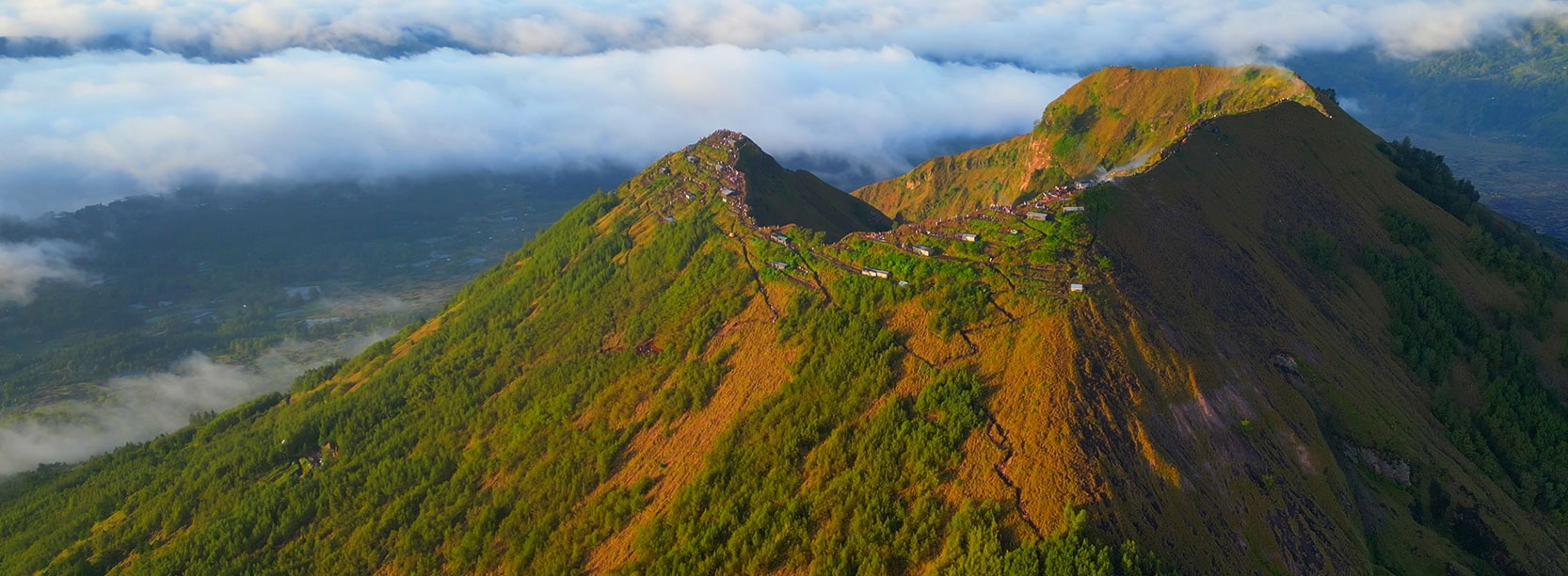
Mount Batur is one of Bali's most popular hikes and attracts travellers looking for an accessible sunrise trek.
At approximately 1,717 metres, it is significantly less demanding than Rinjani.
Why visit?
Mount Merapi is among Indonesia's most active volcanoes and remains an important cultural symbol for the people of Yogyakarta.
While summit access may vary depending on volcanic activity, visitors can explore the surrounding volcanic landscapes and trekking routes.
Why visit?
Although technically less demanding than many volcanoes, Kelimutu is famous for its three crater lakes that periodically change colour.
Travellers visit early in the morning to experience sunrise over the multi-coloured lakes.
Why visit?
Volcano hiking requires proper preparation, regardless of difficulty level.
Essential Items
Pack:
Many volcanoes either require or strongly recommend using local guides.
Benefits include:
Travellers should always check current access conditions before hiking, as volcanic activity can result in trail closures or route changes.
Mountain weather can change quickly.
Before trekking:
Safety should always take priority over summit attempts.
The best time for volcano hiking in Indonesia is generally during the dry season from May to October.
Advantages include:
Excellent conditions with fewer crowds and attractive weather.
Peak hiking season.
Expect:
Often considered the sweet spot for volcano hiking, offering pleasant weather with fewer crowds than peak summer months.
Travellers should note that conditions vary between volcanoes and regions, so checking local park information before travelling is recommended.
Planning a volcano-hiking adventure in Indonesia? Before travelling, check the latest entry requirements and confirm your eligibility for an Electronic Visa on Arrival (e-VoA).
Applying online before departure can help simplify your arrival process and allow you to focus on exploring Indonesia's incredible volcanic landscapes. Always refer to official Indonesian immigration channels for the latest visa requirements, entry regulations and travel updates before travelling.
