Home > Blogs > Exploring Indonesian Markets: A US Traveller’s Shopping Guide

Exploring Indonesian Markets: A US Traveller’s Shopping Guide

Written by: VFS Global | Updated: October 8, 2025


From Bali’s Ubud Market to Jakarta’s Grand Indonesia Mall, here’s where Americans can shop for handicrafts, fashion, and souvenirs.
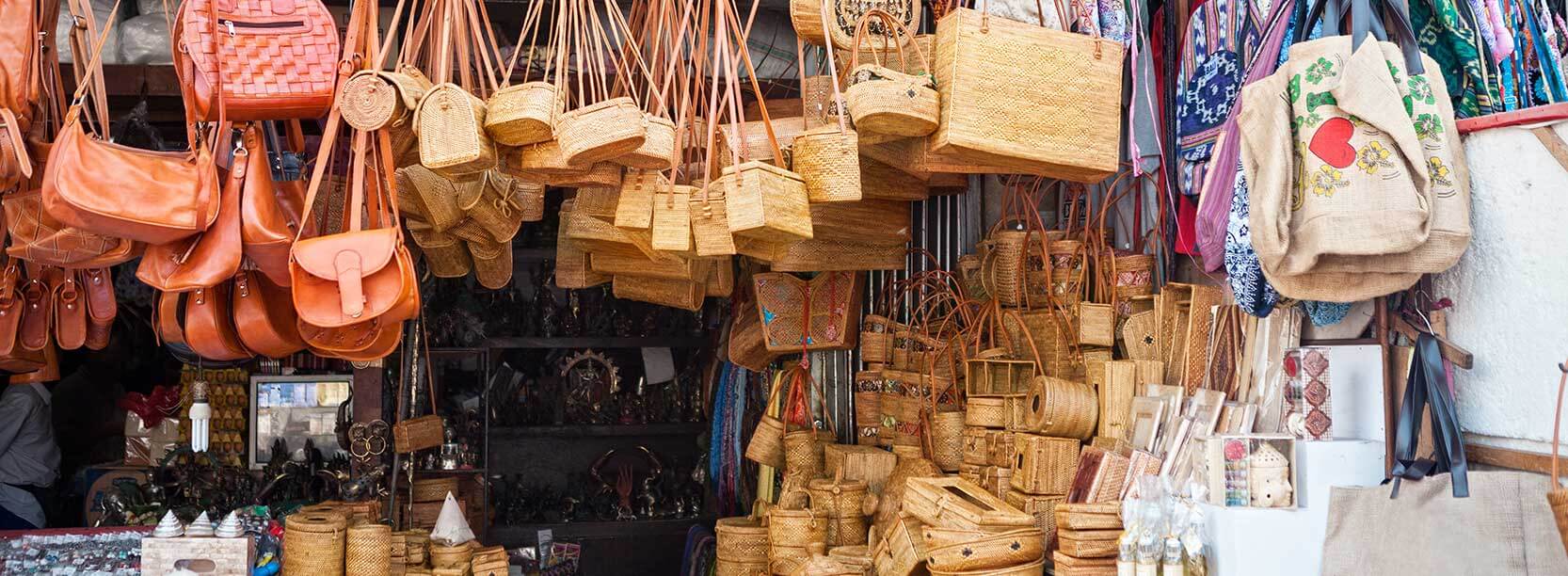
Bali’s Art & Handicraft Markets

souvenir handicraft market in Indonesia

If your trip includes Bali, make time for Ubud’s art markets. The Ubud Art Market (Pasar Seni Ubud) offers rows of stalls selling wood carvings, batik garments, silver jewellery, paintings, and woven home décor. Many of these crafts are made in nearby villages, and you can often see artisans at work in small workshops. Bali is especially known for its songket and endek textiles, stone and wood carvings, and traditional Balinese masks.

Another worthwhile stop is the Sukawati Art Market, which offers lower prices and a more local atmosphere than tourist-heavy spots. Markets in Kuta, Denpasar, and Celuk Village (famous for silver jewellery) also deserve a visit. In Denpasar, clusters of batik and handicraft shops offer a good mix of traditional and contemporary designs.

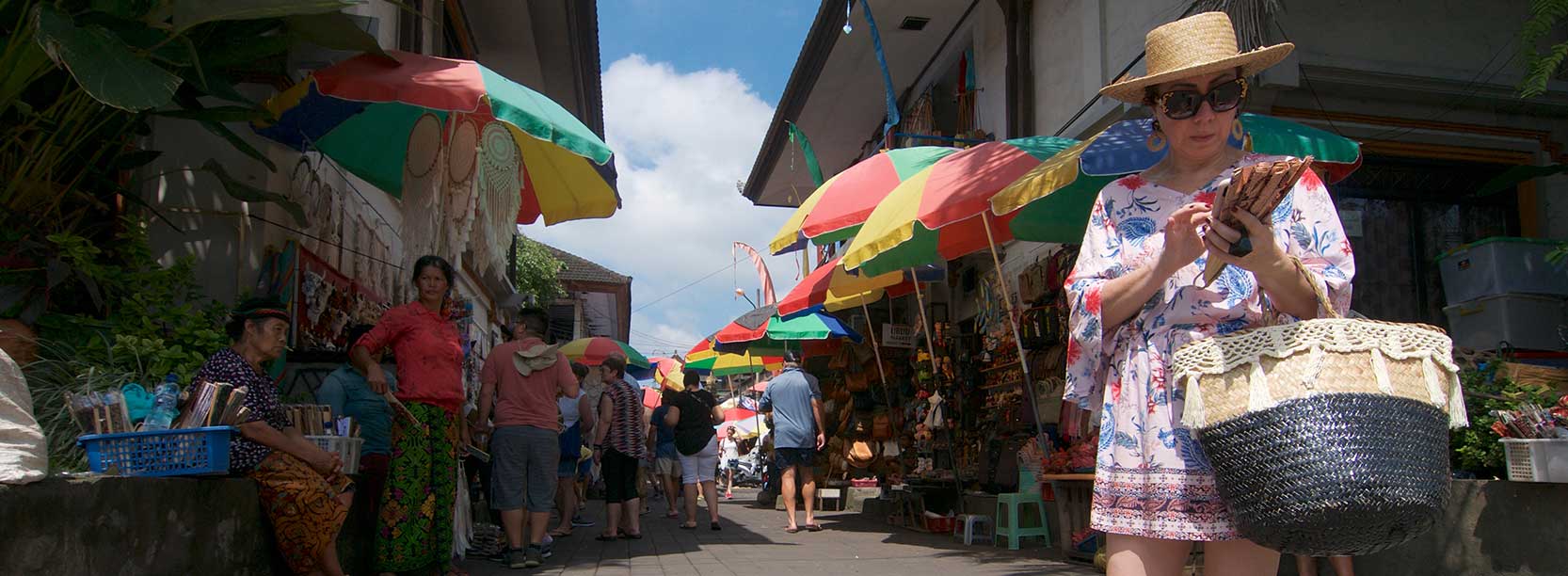
Shopping tips for Bali markets

shopping tips for bali markets
  • Bargaining is expected; start around 50–60% of the quoted price.
  • Check the quality of craftsmanship, especially for silver and wood products.
  • Ask vendors about materials to ensure authenticity.
  • Choose lighter items such as textiles or small carvings for easier travel packing.

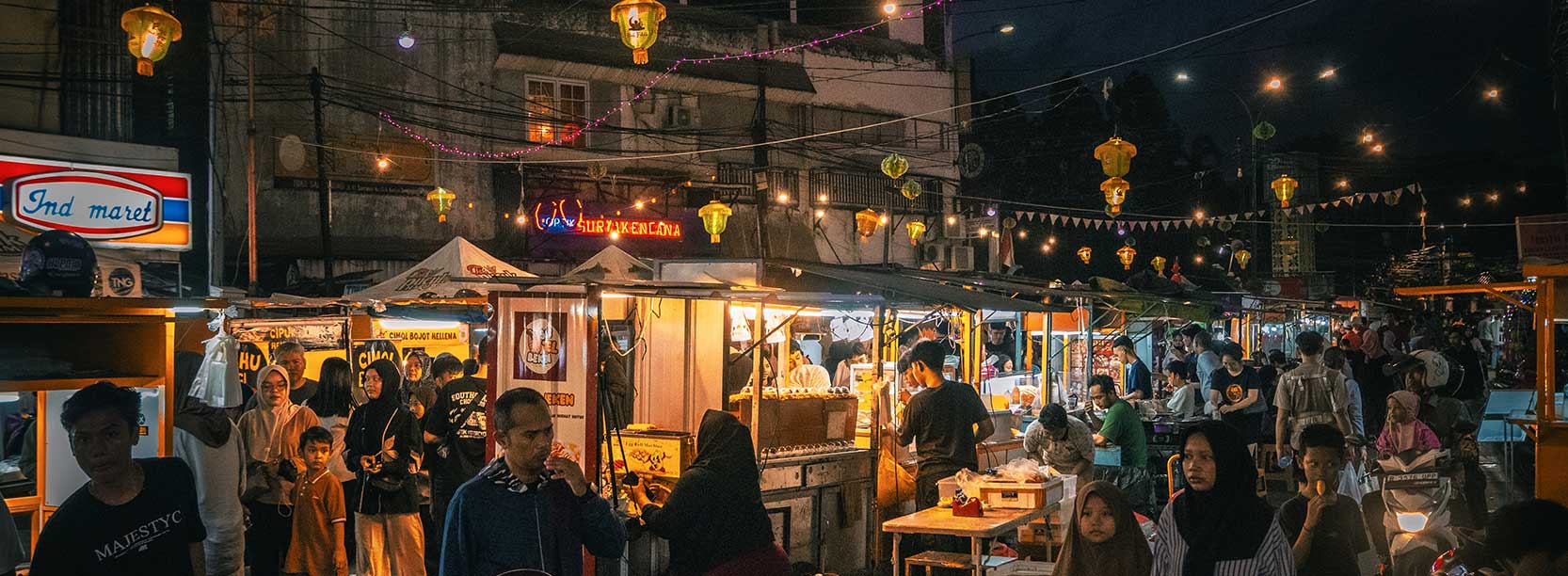
Street Shopping in Jakarta

street shopping in Jakarta

Jakarta’s lively street markets offer a mix of affordable fashion, home goods, and local flavours. Two must-visit areas stand out:

  • Glodok (Chinatown) – Explore narrow lanes filled with electronics, traditional medicines, textiles, and accessories. The area blends Chinese and Indonesian influences and is known for its bustling, energetic atmosphere.

  • Mangga Dua – One of the city’s largest wholesale and retail complexes. You’ll find garments, shoes, handbags, and souvenirs here at bargain prices. Many shops cater to both bulk buyers and casual visitors.

Another favourite is Pasar Baru, one of Jakarta’s oldest markets, known for fabrics and Indo-Chinese fashion. Blok M and Tanah Abang are also popular for affordable clothing and textiles.

Tips for street shopping:


  • Keep small cash handy, as many stalls don’t accept cards.
  • Examine goods carefully before purchasing.
  • Avoid counterfeit items and shop for authentic local brands instead.

Luxury Malls Popular with US Tourists

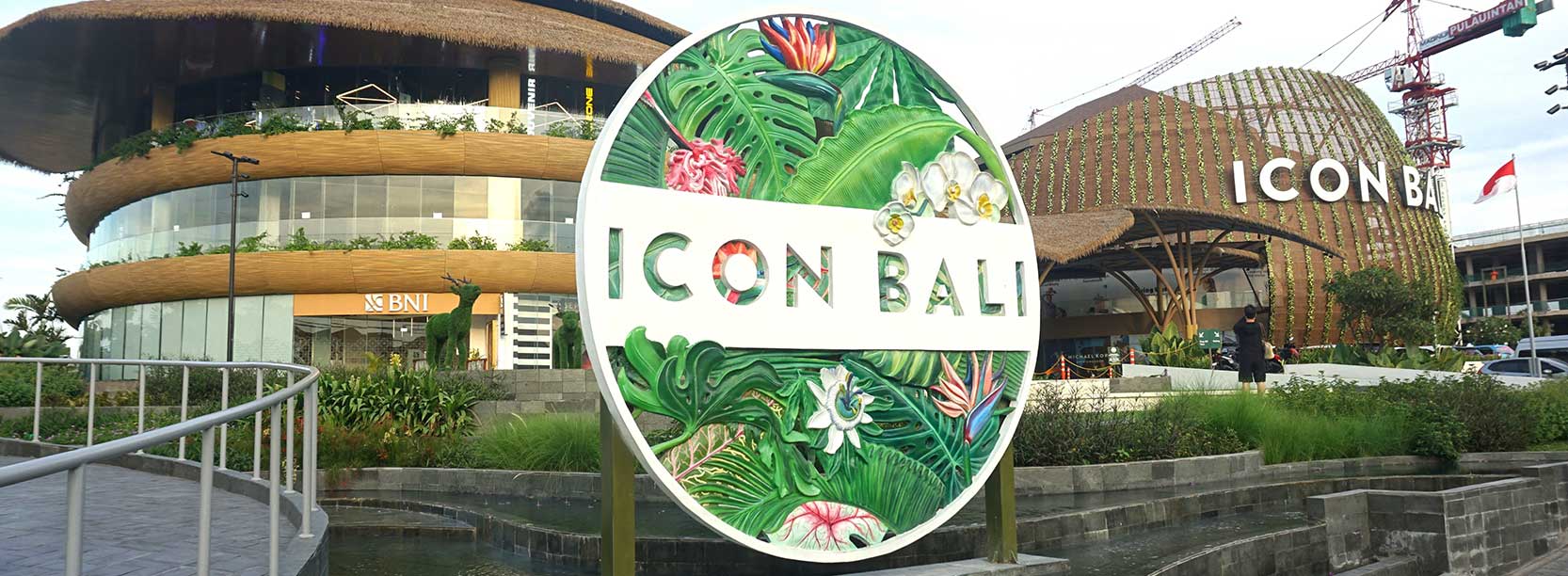
icon mall in bali Indonesia

For travellers who prefer modern comfort and international brands, Indonesia’s high-end malls provide a relaxed shopping experience.

  • Grand Indonesia, Jakarta – A vast mall featuring luxury labels, local designers, and a wide range of restaurants.
  • Pondok Indah Mall (PIM), Jakarta – Known for its premium mix of international and local brands.
  • Beachwalk Mall, Seminyak and Mal Bali Galeria, Bali – Both offer global fashion, boutique stores, and chic cafés near the beach.

These malls are ideal for those who prefer fixed prices and authenticity guarantees. Many also host seasonal exhibitions promoting local designers and artisan collectives, providing a glimpse of modern Indonesian creativity.
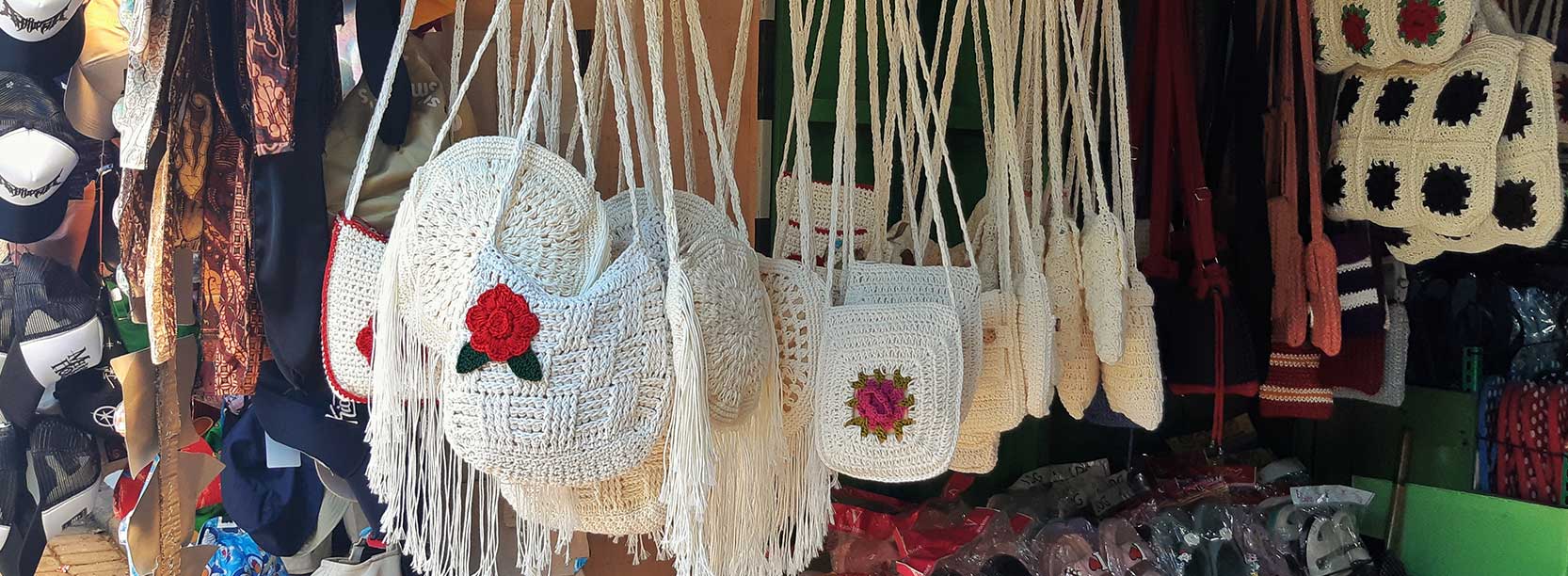

Souvenirs to Bring Back to the US

bali souvenir

When choosing souvenirs, it’s important to know US Customs regulations. Always declare agricultural, plant, or animal products upon arrival.


Recommended Souvenirs


  • Batik fabrics, scarves, and sarongs – lightweight and easy to pack.
  • Silver jewellery from Celuk – handcrafted and often stamped with artisan marks.
  • Wood and stone carvings, Balinese masks, and Wayang Kulit puppets.
  • Essential oils, incense, and spa products made from natural ingredients.
  • Indonesian coffee blends, including Kopi Luwak, in sealed packaging.
  • Ceramics and batik paintings – smaller pieces are best for transport.

Items to Avoid or Check Carefully


  • Fresh food, seeds, or spices that may be restricted.
  • Large wooden furniture, due to high shipping and import costs.
  • Coral, shells, or wildlife-derived products, which may be banned for export.

Practical Considerations & Visa Information


For US citizens (and Indian travellers planning a visit to Indonesia), the Electronic Visa on Arrival (e-VoA) offers a convenient way to enter the country.

The e-VoA is valid for 90 days before travel, allows a single entry, and permits a stay of up to 30 days, which can be extended once for another 30 days at an Immigration Office in Indonesia.

Your passport must have at least six months’ validity from the date of entry.

To save time on arrival, apply for your e-VoA in advance through the authorised visa partner website.


Frequently Asked Questions (FAQs)

Yes. Bargaining is part of the culture in traditional and street markets. Start with a polite offer below the quoted price.

The e-VoA is valid for 90 days before travel and allows a 30-day stay, extendable once at an Immigration Office in Indonesia.

Yes. All agricultural, plant, and wildlife items must be declared. Some products may require permits.

Ubud Art Market, Grand Indonesia Mall, and Mal Bali Galeria are safe and popular options. Exercise general caution in crowded areas.

Most markets open daily. Morning hours are cooler and less crowded, ideal for browsing and bargaining.

Plan Your Trip

Indonesia offers an incredible mix of traditional craftsmanship, street shopping energy, and luxury retail experiences. Whether it’s handwoven batik, silver jewellery, or premium coffee, every purchase tells a story of local artistry.

Before travelling, ensure your e-VoA application is complete and valid. Visit the official Indonesian e-VoA portal to apply and review the latest visa guidelines.

Apply for your e-VoA today through official portal and start planning your shopping adventure across Indonesia’s vibrant markets.