Home > Blogs > Indonesian Food Guide for Australians: What to Eat, Where to Go & How to Explore Local Flavours

Indonesian Food Guide for Australians: What to Eat, Where to Go & How to Explore Local Flavours

Written by: VFS Global | Updated: May 25, 2026


Indonesia’s culinary heritage is one of the richest in Southeast Asia, shaped by centuries of trade, regional traditions, and abundant local ingredients. For Australians travelling to Indonesia—especially Bali—the food quickly becomes one of the most memorable parts of the trip. From smoky satay grilled over coconut charcoal to fragrant broths infused with lemongrass and galangal, Indonesian cuisine offers depth, vibrancy, and comfort.

This Indonesian food guide for Australians highlights the must try dishes, the street food experiences worth seeking out, and the vegetarian options that make travelling easier for Aussie visitors.

Why Australians Love Indonesian Cuisine


Australians share a long and close travel relationship with Indonesia. According to Indonesia’s Ministry of Tourism, Bali alone receives over one million Australian visitors every year, creating familiarity and curiosity around the local cuisine.

Indonesian flavours naturally appeal to the Australian palate. Many dishes use ingredients Australians already enjoy—fresh herbs, bold spices, chilli, lime, and coconut milk—yet the flavour profiles remain distinct from Thai or Vietnamese food. This balance of familiarity and novelty makes Indonesian cuisine exciting even for well-travelled food lovers.

Another major draw is the variety. Whether it’s grilled meats, nourishing rice bowls, tropical fruits, or vegetarian friendly dishes, Indonesian food offers something for every preference. It’s also incredibly accessible—from a quick nasi goreng in Canggu after surfing to an elegant tasting menu in Jakarta, each meal feels authentic and rooted in local culture.


Must Try Indonesian Dishes for Australian Travellers


Indonesia’s culinary traditions vary by region, but these signature dishes are widely available and perfect for first time visitors.

Nasi Goreng

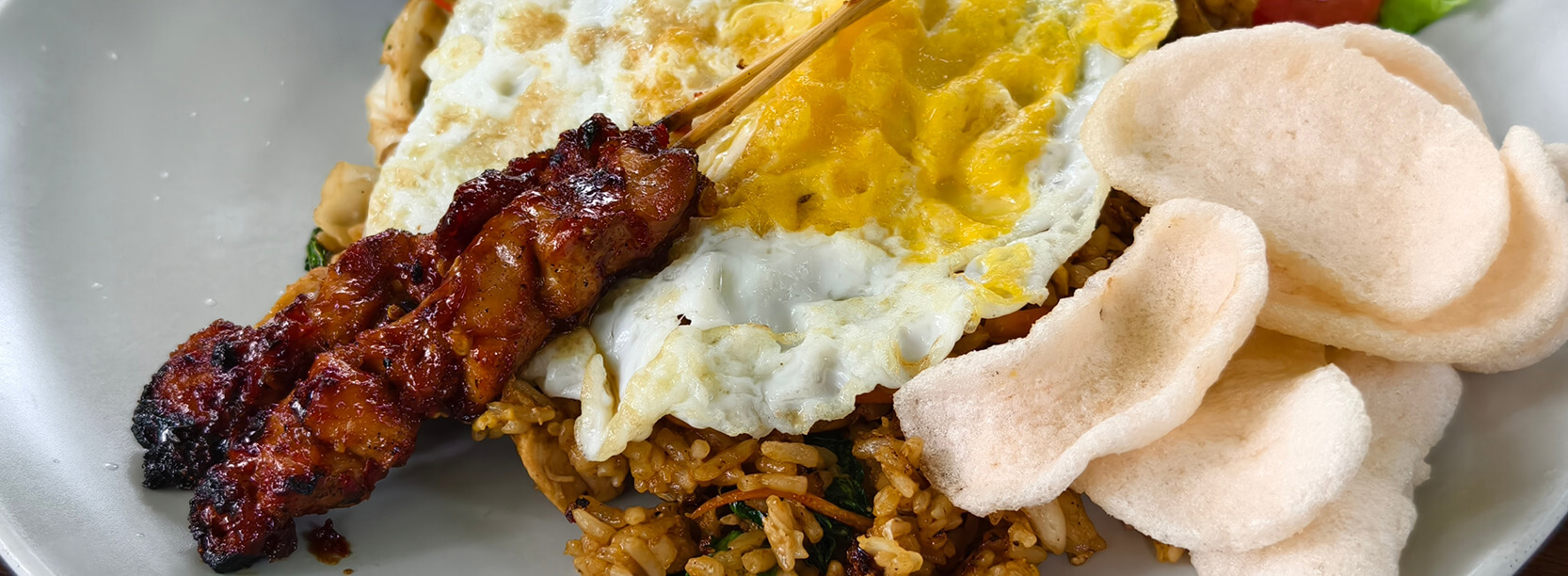
Nasi Goreng and Satay

Often considered Indonesia’s unofficial national dish, nasi goreng is a flavourful fried rice cooked with sweet soy sauce, shallots, garlic, and chilli. It may include prawns, chicken, or vegetables, and is typically topped with a fried egg. Australians often find nasi goreng to be a reliable and comforting everyday meal that’s both delicious and affordable.

Satay (Sate)

Satay is one of the most universally loved Indonesian dishes among Australians. Skewered meat is grilled over charcoal and served with a warm peanut based sauce that’s creamy, aromatic, and lightly sweet. While chicken satay is most popular, travellers should also try:

Satay sapi (beef)
Satay lilit (spiced minced fish wrapped around lemongrass sticks)
Satay kambing (goat)

Exploring different styles across regions is a great way to experience Indonesia’s food diversity.

Rendang

Rendang and Soto Ayam

Originating from West Sumatra, rendang is a slow cooked beef dish simmered in coconut milk, ginger, galangal, garlic, and spices until tender and caramelised. Celebrated globally for its rich flavours, rendang appeals to Australians who enjoy aromatic, hearty dishes.

Soto Ayam

Soto ayam is a comforting turmeric based chicken soup flavoured with lemongrass and lime leaves. It’s lighter than curry, warm, refreshing, and perfect after a long day outdoors or during a cool evening in Ubud.


Street Food Culture Australians Should Experience

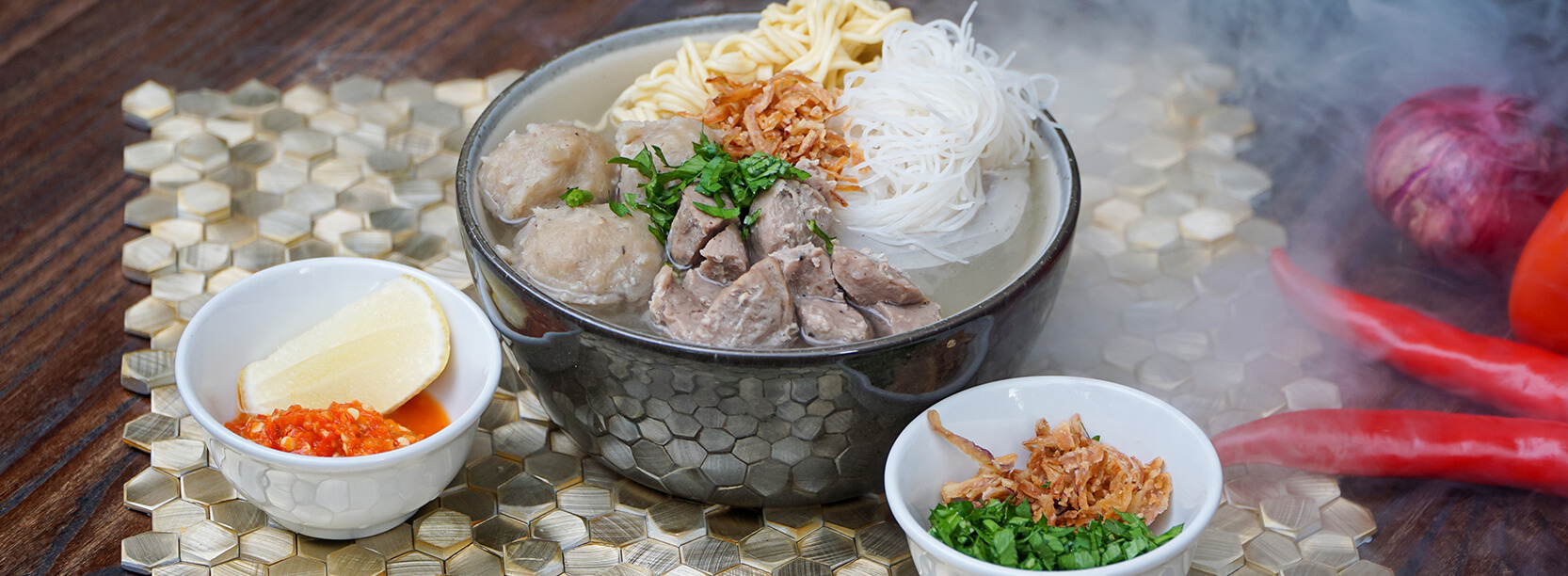
Bakso

Indonesia’s street food culture is vibrant and an integral part of everyday life. Exploring warungs (local eateries), roadside carts, and night markets offers an immersive experience that goes beyond restaurant dining.

Popular Street Food Picks

  • Bakso - meatball soup with noodles and chilli
  • Martabak manis - thick, sweet pancake filled with chocolate, peanuts, or cheese
  • Gorengan - assorted fried snacks like banana fritters and tofu
  • Nasi campur - mixed rice with vegetables, sambal, and various toppings

Street food is generally safe if you choose vendors with:

  • high customer turnover,
  • clean preparation areas, and
  • freshly cooked dishes.

Australian travellers often enjoy markets like Sanur Night Market (Bali) or Jalan Sabang (Jakarta), where food is cooked to order and served hot from the wok or grill.

For Aussies familiar with food truck culture, Indonesian street food feels both adventurous and comfortingly familiar.


Best Restaurants in Bali and Jakarta for Aussie Travellers


Indonesia’s dining scene caters beautifully to Australian tastes—from casual cafés to award winning restaurants.

Bali

  • Warung Babi Guling Ibu Oka (Ubud) - iconic suckling pig
  • Mamasan (Seminyak) - modern Indonesian plates popular with Australian visitors
  • Warung Nasi Ayam Kedewatan - authentic Balinese rice dishes
  • The Night Rooster (Ubud) - Indonesian inspired cocktails and small plates

Jakarta

  • Seribu Rasa - refined Indonesian dishes in a relaxed ambience
  • Lara Djonggrang - heritage inspired dining with historical flair
  • Remboelan - beloved for regional Indonesian favourites
  • Soto Betawi Haji Husein - classic creamy beef soup unique to Jakarta

These restaurants offer clean environments, clear menus, and a blend of traditional and modern flavours suited to Australian travellers.


Vegetarian & Vegan Options for Australians


Indonesia offers excellent plant based choices, especially in Bali, where Ubud and Canggu have become hubs for vegetarian, vegan, and wellness-focused dining.

Indonesian Vegetarian Dishes to Try

  • Gado gado - mixed vegetables with peanut sauce (confirm no shrimp paste)
  • Tempeh orek - sweet spicy sautéed tempeh
  • Sayur lodeh - coconut milk vegetable stew (check for dried shrimp/fish stock)
  • Tahu gorengM - fried tofu served with sambal (verify vegetarian sambal)

Many Bali restaurants offer:

  • Vegan nasi campur
  • Gluten free options
  • Raw food menus
  • Clearly labeled dietary indicators

In Jakarta, plant based Indonesian restaurants are growing in popularity, offering meat free versions of traditional favourites.


Final Thoughts: Flavours to Explore on Your Indonesian Journey


Indonesian cuisine is diverse, colourful, and deeply rooted in tradition. For Australians, it blends comfort with adventure—familiar ingredients presented in new and exciting ways. Whether you are sipping coconut broth in Jakarta, tasting rendang in Sumatra, or enjoying beachside satay in Bali, every meal is an opportunity to experience Indonesia’s culture more closely.

As you plan your next trip, use this guide to explore beyond the famous dishes. Try local warungs, support small vendors, and embrace the wide variety of flavours that make Indonesia one of the world’s most rewarding culinary destinations.

Before travelling, remember to check the official Indonesian e VoA portal for the latest entry requirements to ensure a smooth arrival.


Frequently Asked Questions

Indonesian food shares some Southeast Asian elements but has unique spice blends, cooking techniques, and traditional ingredients, giving it a distinct identity.

Nasi goreng and satay are the top favourites due to their flavour and accessibility.

Yes—Bali, especially Ubud and Canggu, offers abundant vegan and vegetarian options.

Yes, if you choose vendors with high foot traffic, cleanliness, and freshly prepared dishes.

Absolutely. From low cost warungs to moderately priced restaurants, there are options for every budget without compromising flavour.