Indonesian Heritage Sites for US Travelers
Written by: VFS Global | Updated: November 26, 2025


Indonesia’s heritage tells stories of kingdoms, faiths, and communities that have shaped Southeast Asia’s cultural map for over a thousand years. For US travellers seeking meaningful experiences, Indonesian heritage sites offer an unforgettable glimpse into history, spirituality, and living traditions that continue to thrive today. From majestic temples and ancient cities to living villages, each site offers a journey into the heart of Indonesia’s identity.
Indonesia is home to 10 UNESCO World Heritage Sites, ranging from ancient temples to tropical rainforests. These sites are not just architectural marvels but vital records of the nation’s cultural and ecological legacy. For travellers from the United States, visiting these sites provides a chance to understand the deep connection between Indonesia’s people, faith, and nature.

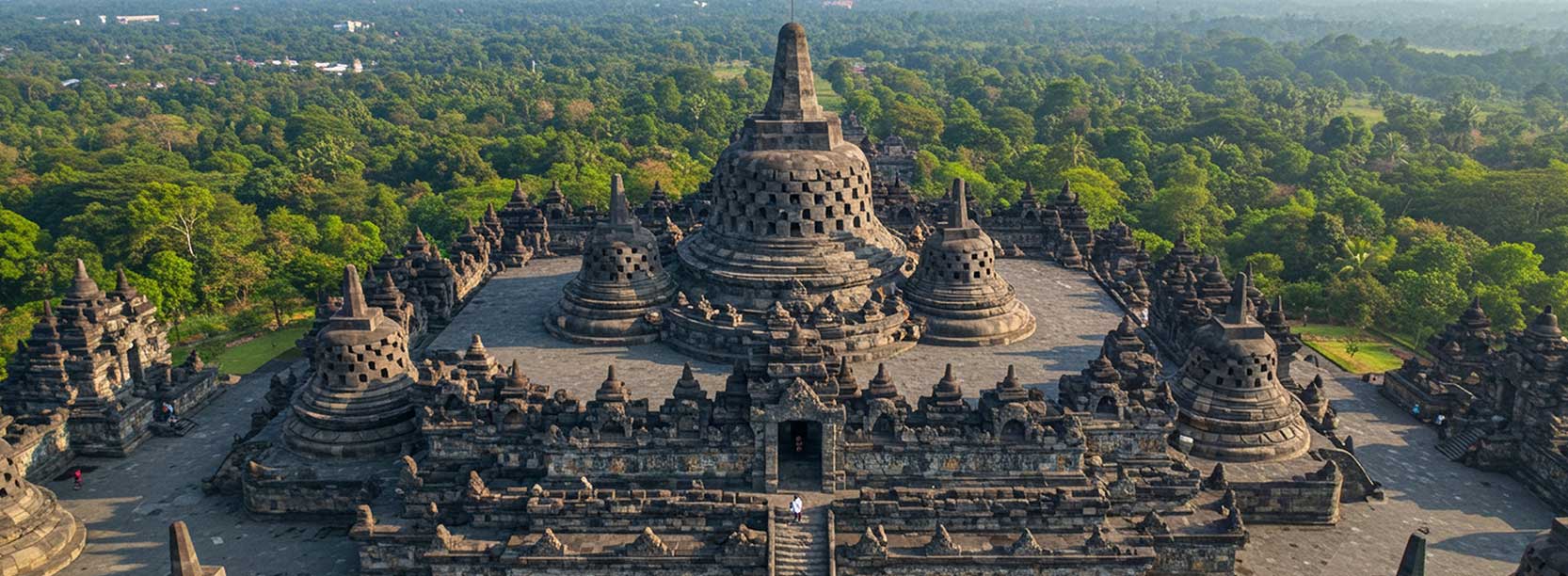
Located in Central Java, Borobudur Temple is the world’s largest Buddhist monument and one of Southeast Asia’s most visited heritage sites. Built in the 9th century during the Sailendra Dynasty, this monumental structure comprises over 2,600 relief panels and 500 Buddha statues carved from volcanic stone.
American visitors often find the sunrise tours particularly moving, as the first rays of light illuminate the temple’s stupas and the surrounding Kedu Plain. The site reopened in 2023 with a new visitor management system that limits the number of daily visitors to preserve its structure. Tickets for international visitors, including US citizens, start at around IDR 350,000 (approximately USD 22).
To reach Borobudur, most travellers fly to Yogyakarta International Airport, a two-hour drive from the site. Combining a Borobudur Temple visit for Americans with nearby Prambanan makes for a perfect heritage circuit.
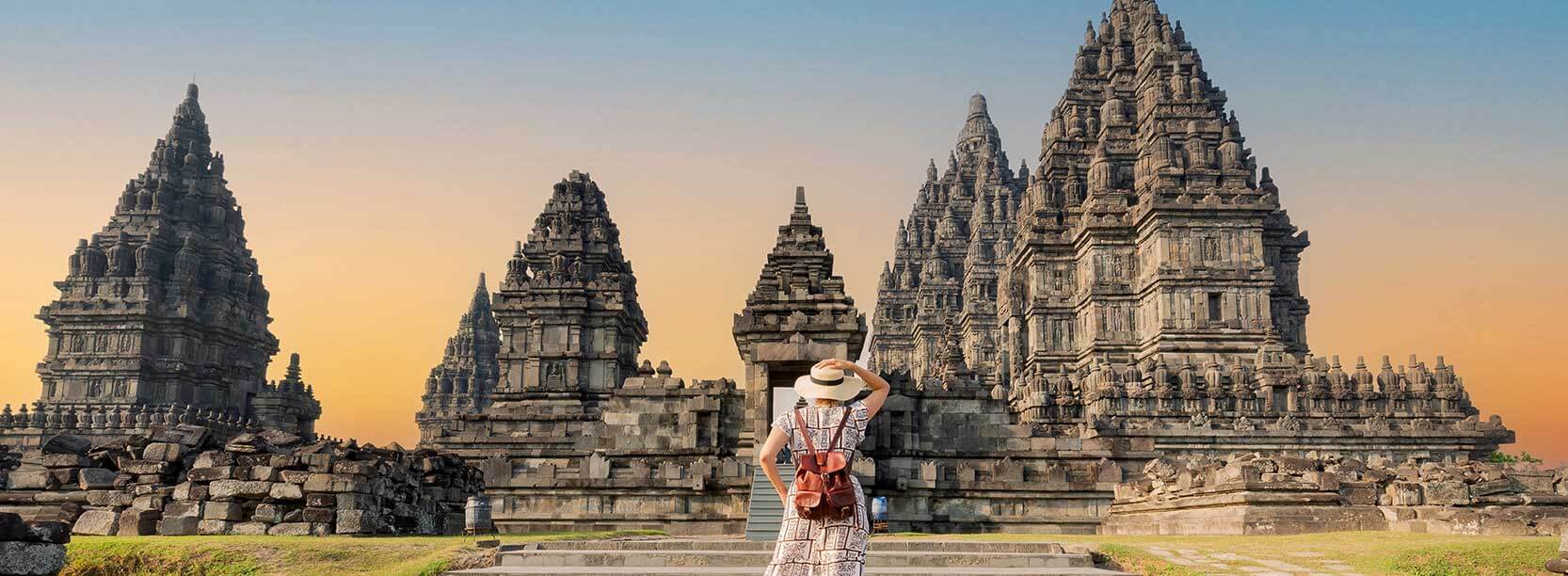
Just 17 kilometres from Yogyakarta, Prambanan Temple is Indonesia’s largest Hindu temple complex, built around the same era as Borobudur. Dedicated to the Hindu Trimurti—Brahma, Vishnu, and Shiva—the complex features more than 200 temples, each adorned with intricate stone carvings.
Visitors from the United States can join English-speaking guided tours available on-site or through licensed travel operators. Evening performances of the Ramayana Ballet, set against the illuminated temple backdrop, offer a stunning cultural experience.
Entry fees for international tourists are about IDR 350,000 (USD 22), and the site is open year-round. The best time to visit is early morning or late afternoon to avoid the heat and crowds.

Indonesia’s historical depth extends beyond temples. Cities such as Yogyakarta, Jakarta’s Kota Tua, and Malang reveal traces of colonial architecture and traditional Javanese palaces.
Beyond the cities, Indonesia’s living traditions thrive in its villages. These communities preserve architecture, crafts, and rituals that date back generations.
For Americans interested in cultural sustainability, these villages present respectful ways to connect with Indonesia’s intangible heritage.
The best period to explore Indonesian heritage sites is during the dry season from April to October, when weather conditions are most favourable for outdoor exploration. May, June, and September offer ideal balance—pleasant temperatures and fewer crowds.
For those travelling from the US, most international flights arrive in Jakarta (CGK) or Bali (DPS), with domestic connections to Yogyakarta, Solo, or Labuan Bajo. Planning at least two to three weeks allows enough time to explore Java and nearby islands without rushing.
When exploring Indonesian heritage sites, cultural sensitivity and respect are essential.
For US travellers, exploring Indonesian heritage sites is more than sightseeing—it’s an encounter with a civilisation that continues to inspire the modern world. From the grandeur of Borobudur and Prambanan to the charm of traditional villages, Indonesia’s timeless stories await those eager to learn and connect.
Before planning your journey, check the official partner of the Indonesian government website and Indonesian Ministry of Tourism websites for updated travel and entry information. Embrace the experience with curiosity and respect, and you will carry home more than photographs—memories of Indonesia’s living heritage.
