Indonesian Street Food Indians Must Try: A Culinary Guide
Written by: VFS Global | Updated: November 10, 2025


Indonesia’s vibrant food culture is an experience in itself, and for Indian travellers, it feels like a familiar adventure with a tropical twist. The sizzling woks, the aroma of fried garlic and chilli, and the comforting balance of sweet, spicy and savoury flavours make Indonesian street food a treat for the senses. Whether you’re walking through the lively lanes of Jakarta or exploring Bali’s beachside stalls, the local cuisine offers something for everyone — including vegetarians.
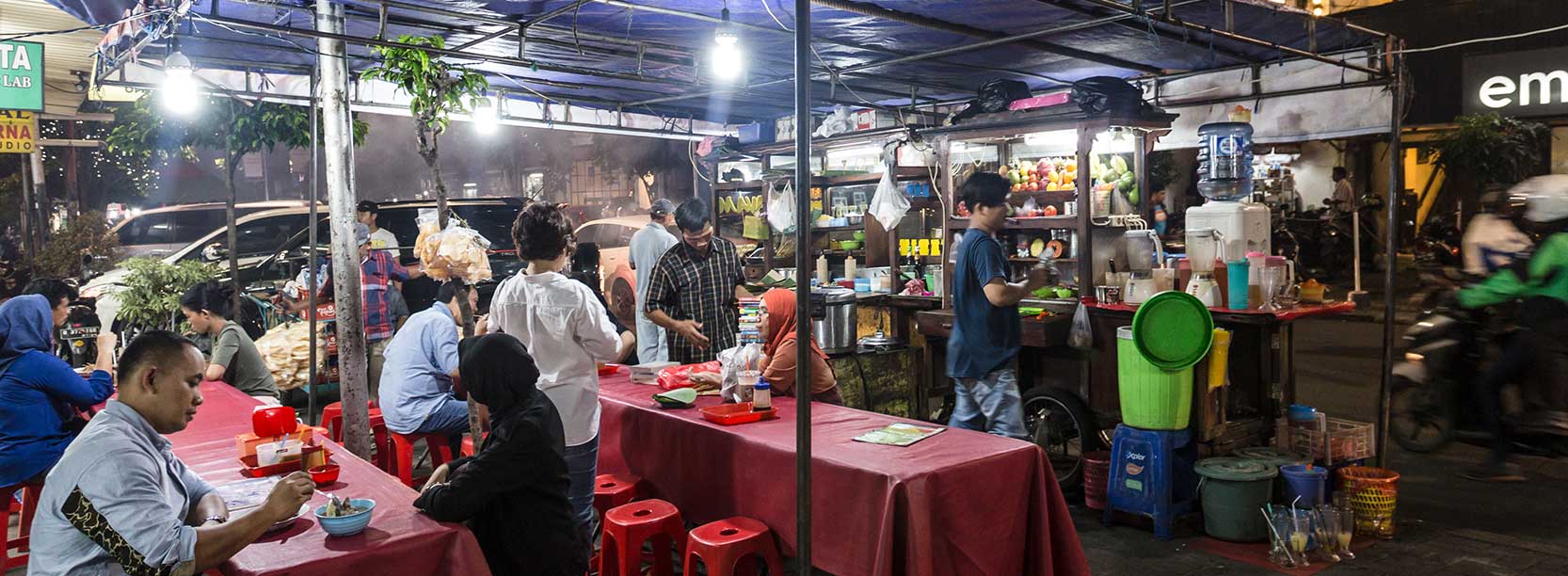
For Indians, Indonesian food feels both exotic and comforting. The shared love for spices, coconut-based gravies and rice-centric meals makes it easy to adapt to the local palate. According to the Indonesian Ministry of Tourism, over 657,000 Indian tourists visited Indonesia in 2023, many of whom rated local food experiences among their trip highlights.
Both cuisines are rooted in layers of flavour — from tangy tamarind and aromatic lemongrass to freshly ground chillies and earthy peanuts. Dishes are often cooked in banana leaves or clay pots, giving them a natural smokiness. Street vendors serve food fresh and hot, just like Indian dhabas or roadside chaat stalls.

Street food in Indonesia varies by island, but Bali and Jakarta offer some of the best examples of local culinary culture. For Indian travellers, these dishes offer a wonderful balance of spice, texture and comfort.
Nasi Goreng & Satay
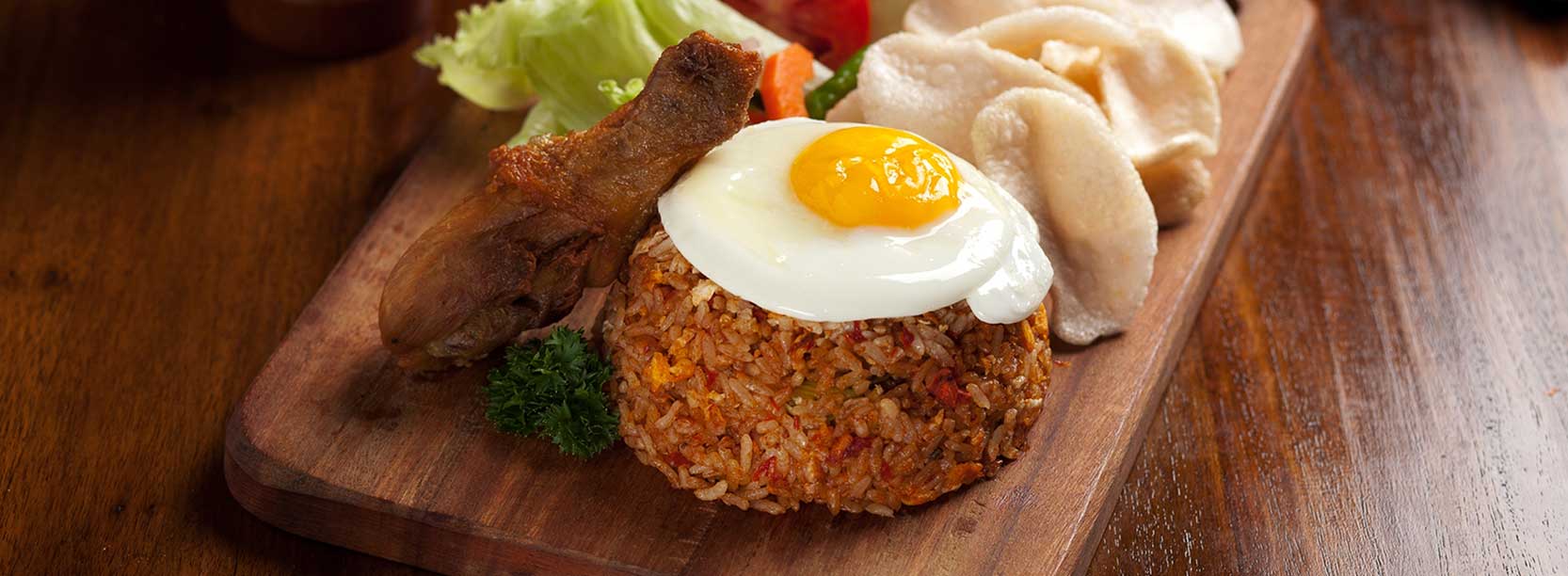
Nasi Goreng, Indonesia’s national dish, is a must-try for any visitor. It’s a fragrant fried rice cooked with sweet soy sauce (kecap manis), garlic, shallots and chilli, topped with a fried egg. For Indians, it’s reminiscent of masala fried rice but with a richer, caramelised flavour. You can find vegetarian or chicken versions almost everywhere, especially in Bali’s Kuta and Ubud regions.
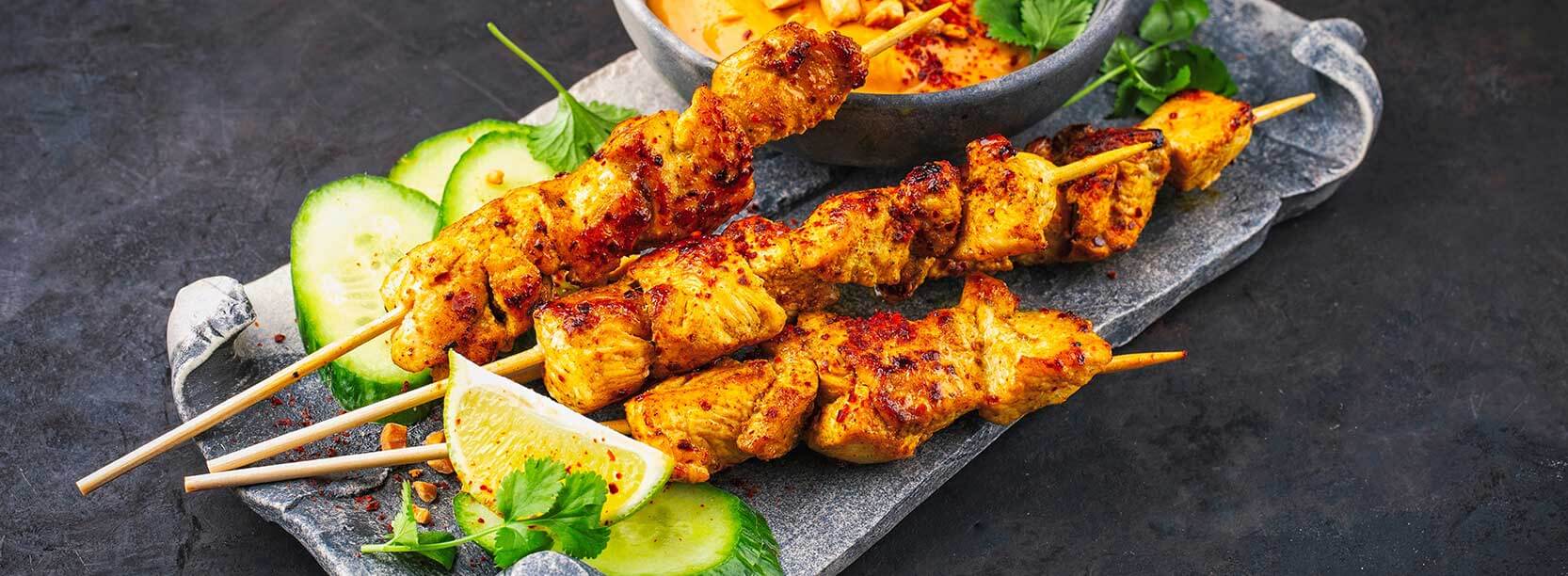
Satay (Sate), another Indonesian staple, features skewered meat grilled over charcoal and served with a creamy peanut sauce. Indians who enjoy kebabs or tandoori-style food will find Satay equally satisfying. For vegetarians, some vendors also serve tofu or tempeh satay versions, which are both flavourful and filling.
Martabak & Tempeh

Martabak is one of Indonesia’s most popular street desserts. Think of it as a thick, sweet pancake stuffed with chocolate, peanuts, or cheese. It’s served hot, often folded and sliced like a cake. There’s also a savoury version called Martabak Telur, stuffed with eggs, minced meat, and spring onions — somewhat like an Indian egg paratha but crispier.
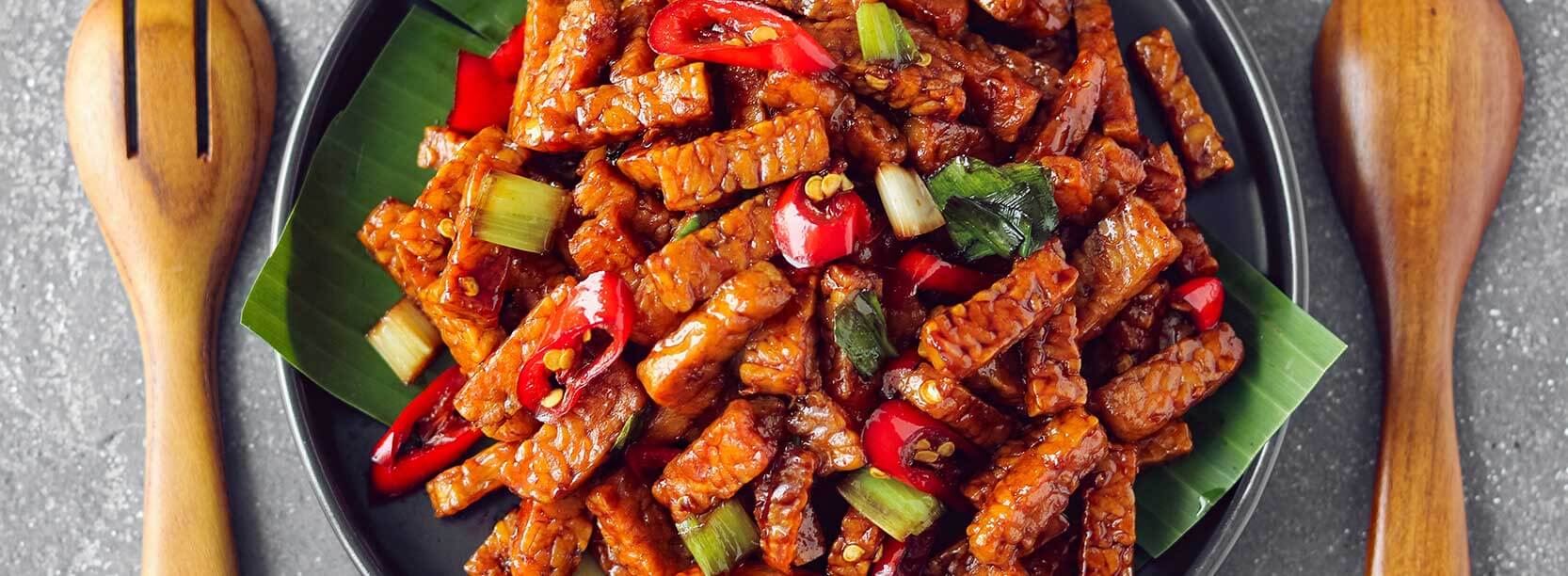
Tempeh, a local superfood, is fermented soybean cake rich in protein and probiotics. It’s often deep-fried or stir-fried with soy sauce, garlic, and chilli. For Indians following a vegetarian or vegan diet, tempeh is an excellent protein alternative that complements rice or noodles perfectly.
While Indonesia is known for its seafood and meat dishes, vegetarian travellers will be pleasantly surprised by the abundance of plant-based street food. In Bali, vegetarian-friendly restaurants are common, and local dishes can easily be adapted. Look for:
Gado-Gado – A warm salad of boiled vegetables, tofu, and eggs topped with peanut sauce. Traditionally, it may include shrimp paste, so request a vegetarian version if preferred.

Sayur Lodeh – A light coconut milk-based vegetable stew, sometimes made with chicken stock. Opt for a vegetarian version when dining outside vegetarian restaurants.

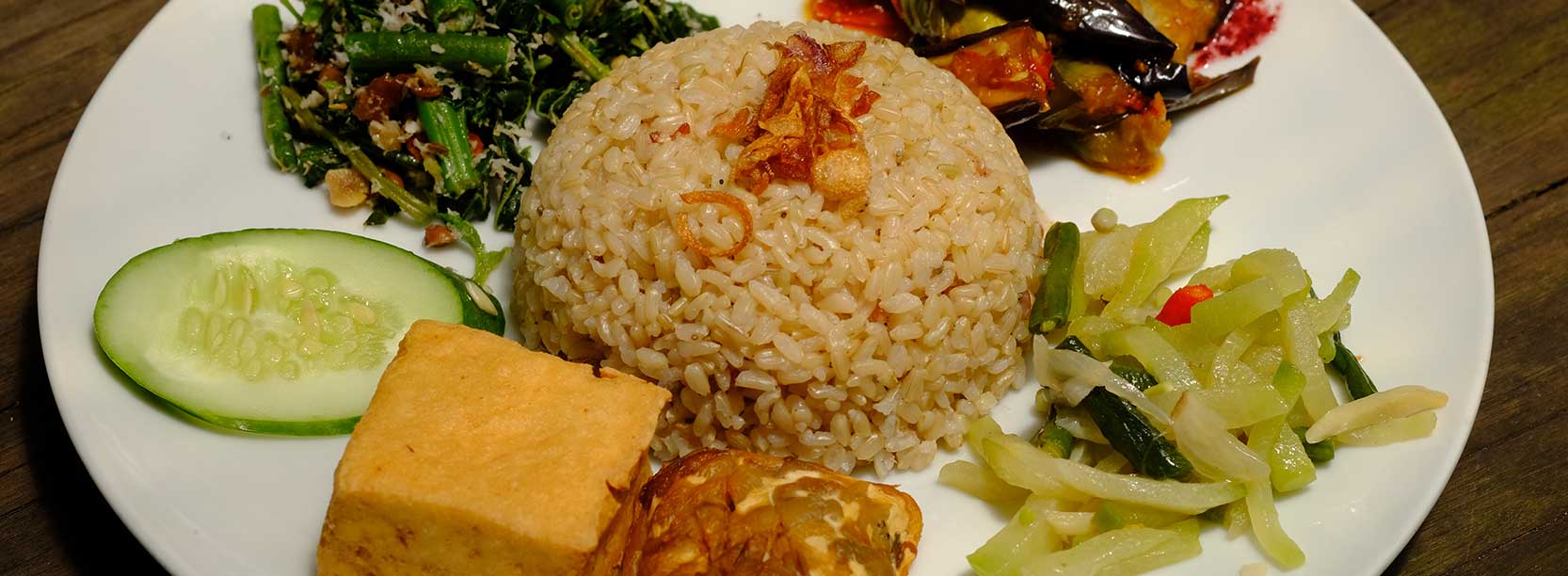
Nasi Campur Vegetarian – A rice platter served with tempeh, vegetables, and sambal (chilli paste).
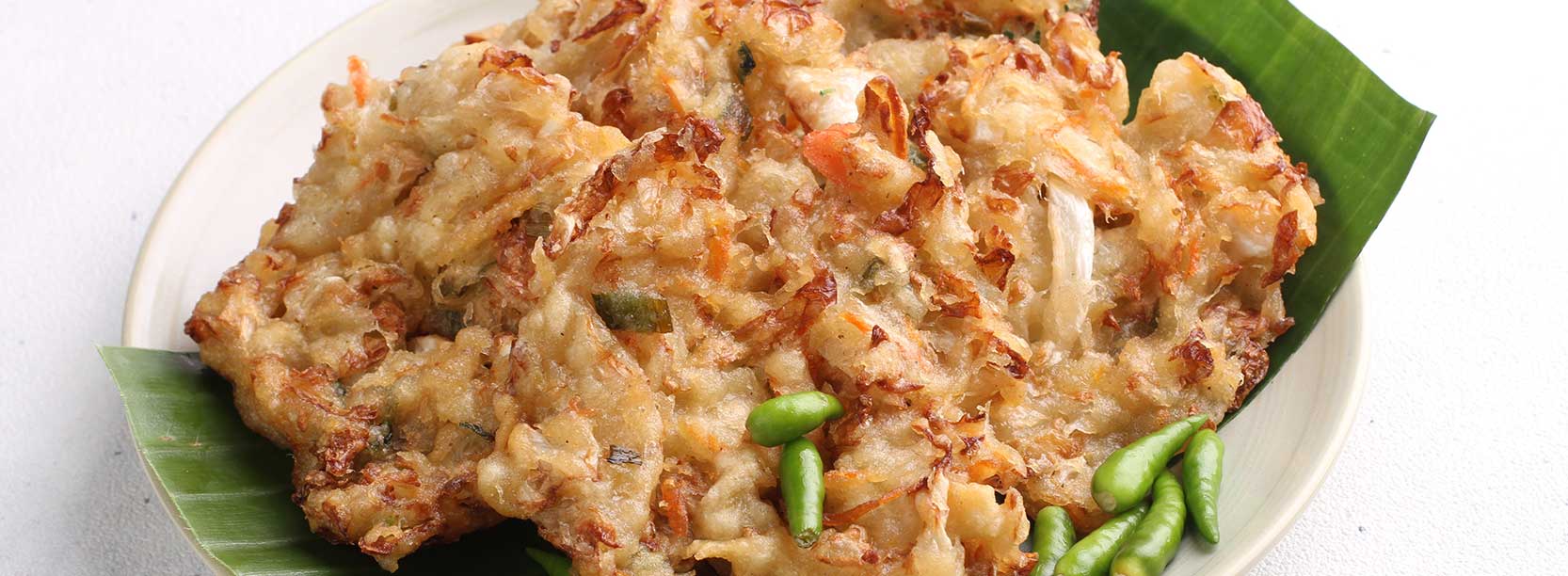
Bakwan – Crispy vegetable fritters similar to pakoras.
For those strictly avoiding meat or fish, it’s best to specify tanpa daging dan ikan (without meat and fish) when ordering.
Street food in Indonesia is generally safe, but it’s always best to take basic precautions:
A simple phrase to remember: Saya vegetarian (I’m vegetarian) – this helps vendors understand your preference immediately.
Indonesian cuisine mirrors the diversity and warmth of its people — rich in flavour, texture, and cultural heritage. For Indians, it’s an adventure that feels familiar yet excitingly different. From the spice-laden Nasi Goreng to the crisp Tempeh and the peanut-rich Gado-Gado, every bite tells a story of tradition and community. Do note, however, that dishes like Gado-Gado and Sayur Lodeh may include shrimp paste or chicken stock, so it’s best to request a vegetarian version when dining out.
If you are planning your trip, exploring street food should be at the top of your list. It’s one of the best ways to experience Indonesia’s culture up close, surrounded by locals and the irresistible aroma of sizzling spices.
Before you travel, remember to apply for your Electronic Visa on Arrival (e-VoA) through the official partner of the Indonesian government website to ensure a hassle-free entry.
Explore Indonesia’s culinary heart one street at a time — and let your taste buds lead the way. Before you go, check the latest visa and travel updates on official partner of the Indonesian government website.
