Raja Ampat Travel Guide: Diving & Island Hopping in Papua
Written by: VFS Global | Updated: August 10, 2026


Raja Ampat is often described as one of the most beautiful island destinations in the world. Located in Indonesia's Papua region, this remote archipelago is renowned for its extraordinary marine biodiversity, dramatic limestone islands and crystal-clear waters.
Comprising more than 1,500 small islands, cays and shoals, Raja Ampat is a dream destination for divers, snorkellers, photographers and nature lovers. The region sits within the Coral Triangle, an area recognised as the global centre of marine biodiversity, making it one of the best places on Earth to experience underwater life.
For Indian travellers seeking an unforgettable adventure beyond Bali, Raja Ampat offers pristine landscapes, world-class diving and some of Indonesia's most spectacular island scenery.
Raja Ampat is located off the north-western tip of West Papua in eastern Indonesia. The name "Raja Ampat" translates to "Four Kings", referring to the four main islands:
The archipelago lies within one of the richest marine ecosystems on the planet and encompasses thousands of square kilometres of protected marine and coastal habitats.
Despite its remote location, Raja Ampat has become increasingly popular with international travellers seeking a more exclusive and nature-focused Indonesian experience.
What makes Raja Ampat unique is its remarkable combination of marine biodiversity, untouched islands, traditional Papuan culture and stunning viewpoints that seem almost impossible to believe until seen in person.

Raja Ampat is consistently ranked among the world's top diving destinations, but its appeal extends far beyond scuba diving.
The region is home to:
The islands themselves are equally impressive. Towering limestone karsts rise dramatically from turquoise lagoons, creating landscapes that have become iconic in travel photography.
Unlike many popular island destinations in Southeast Asia, Raja Ampat remains relatively untouched by mass tourism. Visitors often describe the experience as discovering a hidden paradise, with secluded beaches and pristine natural environments.
Visitors choose Raja Ampat for:
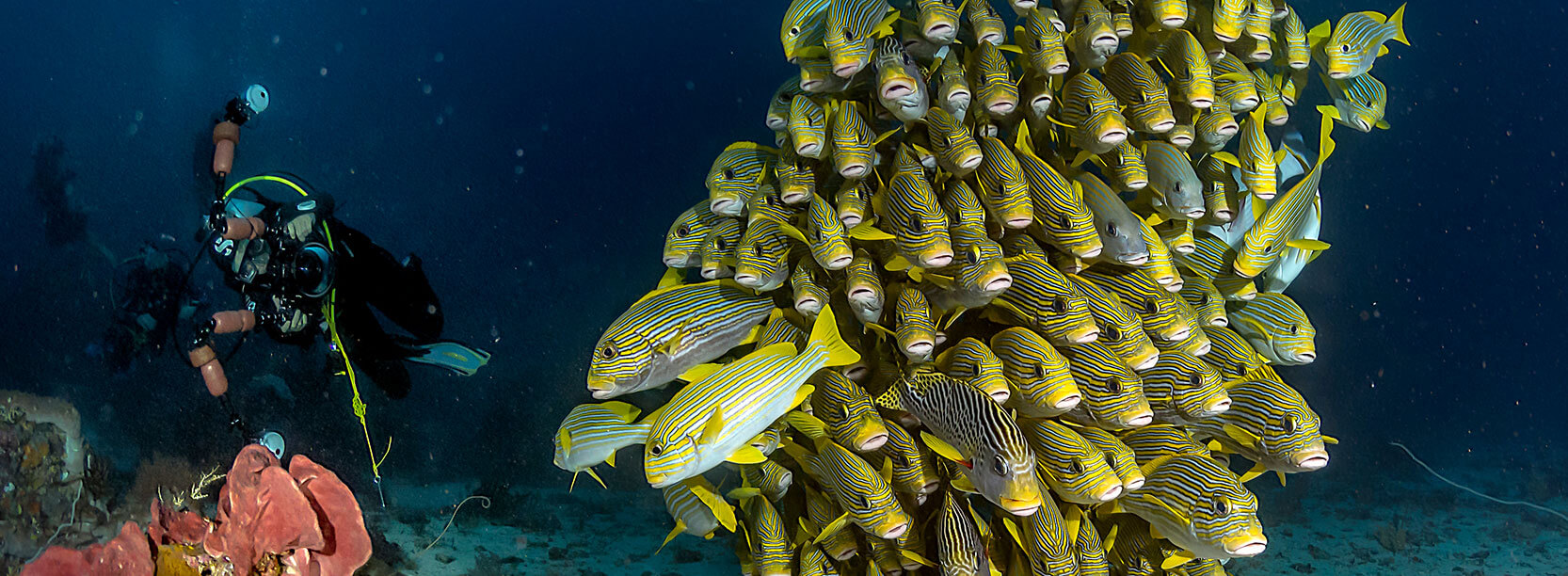
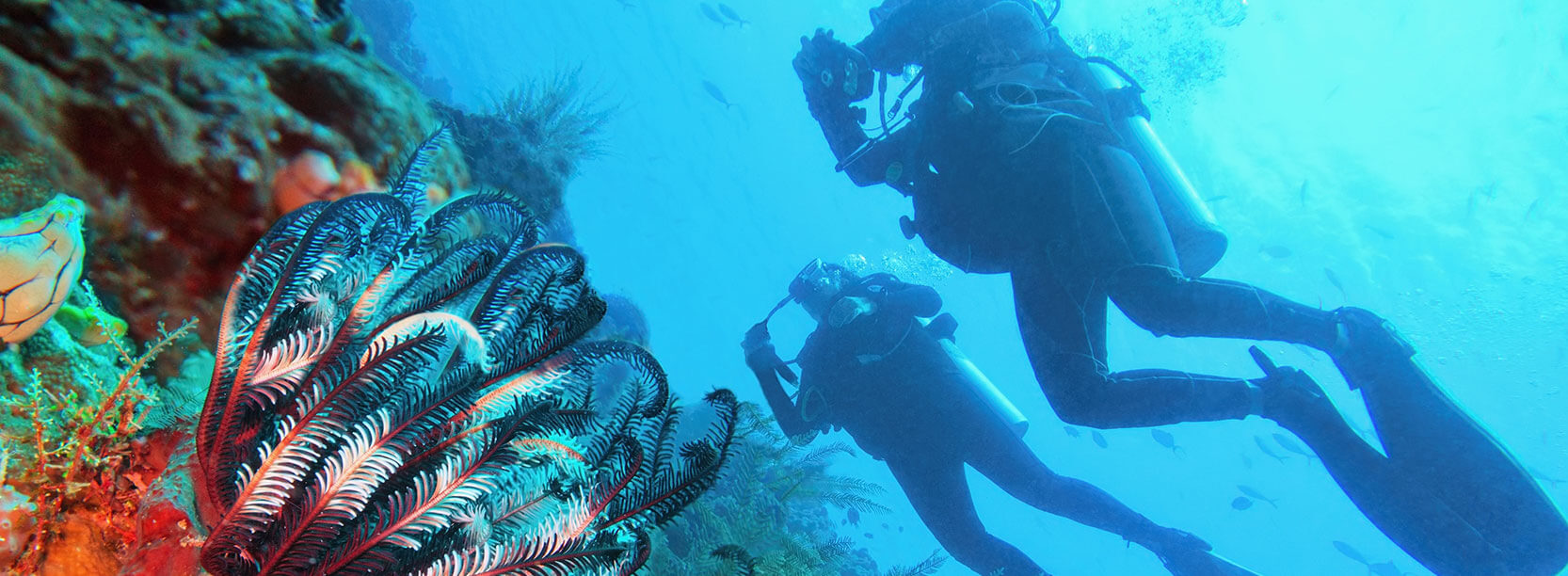
Raja Ampat is widely considered one of the world's premier diving destinations.
The region's location within the Coral Triangle means visitors can experience exceptional underwater biodiversity. Even snorkellers with limited experience can enjoy vibrant coral reefs and abundant marine life just metres from the shoreline.
Popular dive and snorkelling sites include:
One of Raja Ampat's most famous dive locations, known for extraordinary fish diversity and healthy coral reefs.
A renowned dive site where visitors may encounter:
Perhaps the best location in Raja Ampat for observing manta rays.
Divers and snorkellers often witness these graceful creatures gathering at cleaning stations beneath the surface.
An accessible site suitable for both beginners and experienced underwater enthusiasts.
Highlights
No trip to Raja Ampat is complete without visiting the famous Piaynemo Viewpoint.
After climbing a series of wooden stairs, visitors are rewarded with one of Indonesia's most spectacular panoramas. The viewpoint overlooks dozens of jungle-covered limestone islands rising from vivid turquoise waters.
The image has become synonymous with Raja Ampat and is often featured in travel publications and tourism campaigns.
Many travellers consider the Piaynemo viewpoint the visual highlight of their entire Indonesian journey.
Highlights
Exploring Raja Ampat by boat is one of the best ways to experience its natural beauty.
Island-hopping tours enable visitors to discover:
Many travellers choose to stay in locally operated homestays rather than large resorts.
Homestays offer:
Popular islands for overnight stays include:
These locations provide easy access to both diving sites and wildlife experiences.
Raja Ampat's biodiversity extends beyond the ocean.
Nature enthusiasts may encounter:
Early morning wildlife excursions are particularly popular among photographers and birdwatchers.
Although Raja Ampat is one of Indonesia's more remote destinations, reaching the islands is easier than many travellers assume.
The main gateway to Raja Ampat is Sorong, a city in West Papua.
Most international visitors fly via:
before connecting to Domine Eduard Osok Airport (SOQ) in Sorong.
From Sorong, travellers take a public ferry to Waisai, the capital of Raja Ampat Regency.
The ferry journey generally takes around two hours.
After arriving in Waisai, visitors continue by speedboat to their chosen resort, dive centre or homestay.
Many accommodation providers arrange transfers directly from Waisai to simplify the journey.
Due to the remote nature of the destination, travellers should allow flexibility in their schedules and book transport connections in advance where possible.
One of Raja Ampat's advantages is that it can be visited throughout much of the year.
Many diving enthusiasts consider these months ideal due to:
These months remain popular and generally offer:
Because weather patterns can vary across the archipelago, diving conditions often remain favourable year-round.
Marine Park Entry Fees Visitors to Raja Ampat are required to pay two mandatory fees that support conservation efforts, tourism management, and local community development.
Marine Park Entry Permit
Also known as the Environmental Service Fee or Marine Entry Card, this environmental levy is required by the park authority. The fee helps fund conservation, monitoring, and protection of the marine ecosystem within Raja Ampat's Marine Protected Areas (MPAs). The permit is valid for 12 months from the date of issue.
Raja Ampat Visitor Entry Ticket
This mandatory fee provides general access to the Raja Ampat region and is separate from the Marine Park Entry Permit. The ticket contributes to the maintenance of docks, control offices, public services, and local development initiatives. It is charged per visit, meaning travellers who leave Raja Ampat and re-enter at a later date will need to purchase a new ticket.
Fees and permit requirements may change from time to time, so travellers should check the latest information before departure.
Raja Ampat is often considered one of Indonesia's more expensive destinations due to its remoteness.
However, there are options available for different budgets.
Most visitors spend between 5 and 10 days in Raja Ampat.
A longer stay allows time to:
Given the travel time required to reach Raja Ampat, many visitors feel that spending less than four nights does not do the destination justice.
Planning a trip to Raja Ampat? Before travelling to Indonesia, check the latest entry requirements and confirm your eligibility for an Electronic Visa on Arrival (e-VoA).
Applying online before departure can help make your arrival process smoother and allow you to focus on planning your island adventure. Always refer to official Indonesian immigration channels for the latest visa requirements, entry regulations and travel updates before travelling.
