Home > Blogs > Solo Travel in Indonesia: A Guide for Indians

Solo Travel in Indonesia: A Guide for Indians

Written by: VFS Global | Updated: November 10, 2025


Indonesia is one of the world's most captivating archipelagos, offering everything from the spiritual heartland of Bali to the volcanic peaks of Java and the wildlife of Sumatra. For many Indian travellers, particularly those venturing out alone for the first time, Indonesia is a perfect choice. It is affordable, culturally rich, and boasts a well-trodden travel circuit that makes solo navigation easy and rewarding.

This detailed guide provides Indian backpackers and solo travellers with essential safety tips, budget breakdown, and cultural insights to ensure a smooth and memorable journey.
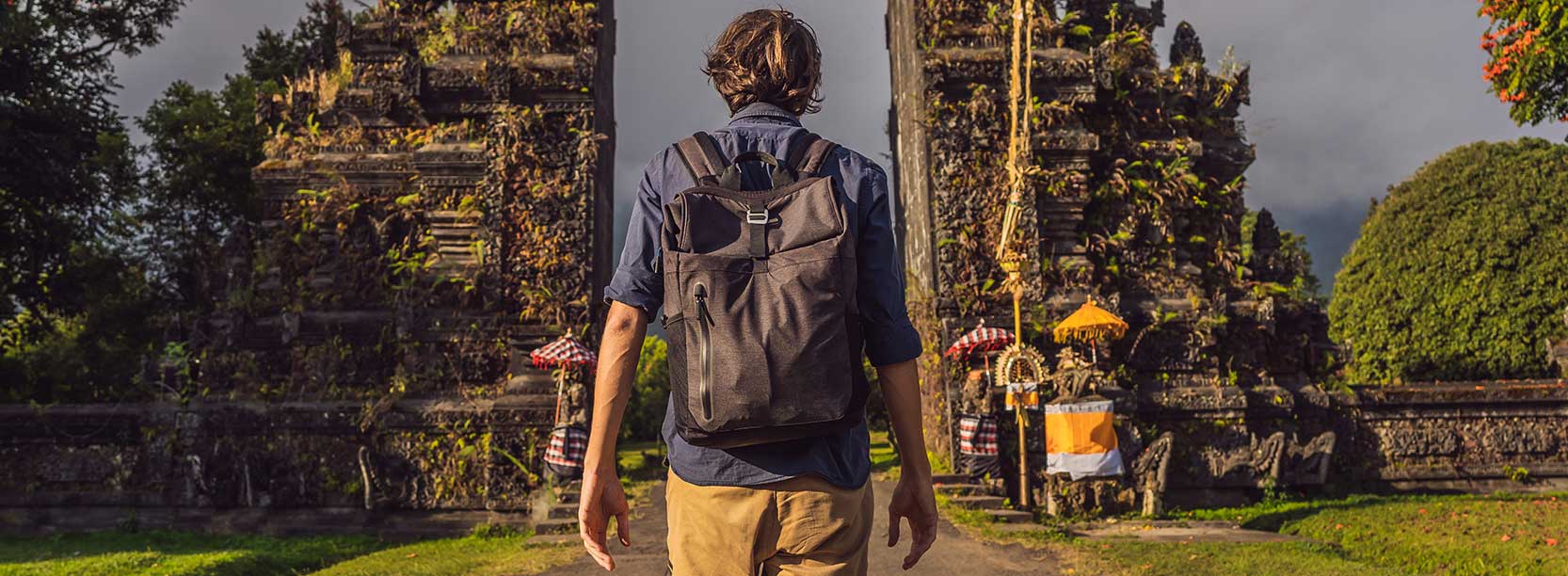
Why Indonesia is Great for Solo Indian Travelers

solo Indian travellers in indonesia

Indonesia’s unique blend of convenience, affordability, and natural beauty makes it a standout destination for solo travel from India.

  • Affordability: Indonesia offers excellent value for money. Staying in comfortable guesthouses, eating local food, and using ride-hailing apps keeps daily expenses significantly lower than in many Western destinations.

  • Ease of Visa: Indian passport holders can easily obtain a Visa on Arrival (VoA) or an Electronic Visa on Arrival (e-VoA). This is a single-entry visa that is valid for entry into Indonesia for up to 90 days from the date of issuance. It allows for an initial stay of up to 30 days, which can be extended once for an additional 30 days either online or by visiting the local Immigration Office in Indonesia. This straightforward process is a huge advantage for solo planners.

  • Well-Established Travel Route: Destinations like Bali, Lombok, and the Gili Islands have an established tourist infrastructure with numerous hostels, well-marked routes, and shared transport options. This 'banana pancake trail' atmosphere ensures you are never truly alone.

  • Warm Local Culture: While Bali is predominantly Hindu, the rest of Indonesia is mostly Muslim. Across the country, the local population is generally known for its welcoming and polite nature towards tourists.


Safest Cities & Islands for Solo Travel

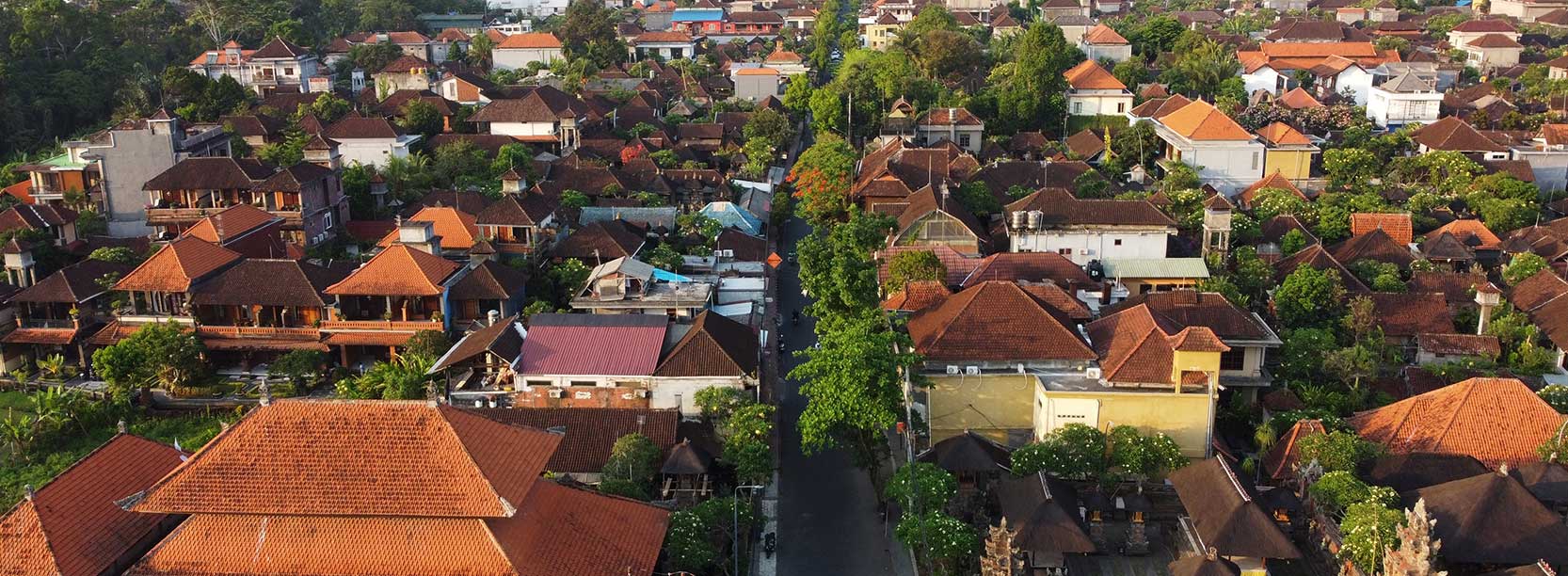
ubud bali

Safety is paramount when backpacking Indonesia from India. While the whole country is generally secure, certain areas are particularly welcoming and easy to navigate for solo adventurers.

City/Island Primary Appeal Solo Traveller Verdict
Ubud, Bali Culture, yoga, spirituality, rice paddies. Highly recommended. A hub for wellness and digital nomads, it is exceptionally safe, with a strong community feel.
Gili Islands Relaxed, no cars or motorbikes, beach life, snorkelling. Excellent. Gili Trawangan is sociable, while Gili Air is quieter. Petty crime is rare, but remain aware of your surroundings at night.
Yogyakarta, Java Historical sites (Borobudur, Prambanan), art, local culture. Safe and budget-friendly. A must-visit for history enthusiasts, but solo female travellers should dress more conservatively here than in Bali.
Lombok Volcano trekking (Mount Rinjani), beautiful beaches. Very safe, but requires more planning. The south coast of Lombok offers spectacular, untouched beaches. Consider hiring a private driver for longer distances.

Important Note for Solo Female Travel Bali India: Bali is considered one of the safest places in Southeast Asia for solo female travellers. The crime rate is low, and the Balinese people are respectful. Stick to busy areas and reliable transport, especially after dark.


Cost-Saving Tips for Solo Backpackers from India


Budgeting for your trip is straightforward, as the cost of living and travel in Indonesia is significantly lower than in India's major metro cities.

An average solo backpacker can comfortably manage on a budget of INR 2,000 to INR 3,500 per day (excluding international flights and visa fees).

Expense Category Budget-Friendly Daily Estimate (INR) Mid-Range Daily Estimate (INR) Tips for Saving
Accommodation INR 600 – 900 (Hostel dorm bed) INR1,500 - 2,500 (Guesthouse private room/budget hotel) Stay in highly rated hostels for free breakfast and social opportunities.
Food INR 400 - 800 (Local warungs and street food) INR1,000 - 1,500 (Trendy cafes and mid-range restaurants) Eat at local warungs (eateries) for authentic and inexpensive meals like Nasi Goreng (fried rice) and Sate (skewers).
Local Transport INR 200 - 500 (Ride-hailing apps like Grab/Gojek, local buses) INR 500 - 1,000 (Metered taxis, boat transfers) Use Gojek/Grab for motorbike taxis ('o-jek') for cheap, fast local travel. Haggle politely for prices with traditional taxis.
Activities & Sightseeing INR 400 -1,000 (Temple entry, waterfall visits) INR 1,000 - 2,000 (Day trips, diving/snorkelling gear) Look for free walking tours or explore beaches and viewpoints that require no entry fee.

Note: These figures are approximations for 2025 and based on an exchange rate of roughly INR 1 = IDR 190. Always check the current exchange rate.


Safety & Cultural Etiquette for Solo Indians


While generally safe, solo travellers, especially Indian women, must be aware of certain precautions and cultural norms.

Essential Safety Tips

  • Transport Apps are Your Friend: Use registered ride-hailing services like Grab or Gojek (download before you arrive). They offer GPS tracking and fixed pricing, which is safer and avoids overcharging. Always confirm the license plate before getting in.

  • Petty Theft: The most common crime is bag-snatching, particularly in busy tourist areas of Bali (Kuta, Seminyak) and on motorbikes. Keep your phone and valuables secure in a crossbody bag.

  • Be Wary of Monkeys: Monkeys, especially at Uluwatu Temple, are notorious for snatching sunglasses, hats, and loose items. Hold on to your belongings tightly.

  • Stay Hydrated: The tropical heat is intense. Always carry a reusable water bottle and drink frequently to avoid dehydration.

Cultural Etiquette


Indonesia is a deeply traditional and polite society. Adhering to local customs shows respect and ensures a positive interaction.

  • Dress Modestly Off-Beach: When visiting temples, mosques, or more conservative regions like Java and Sumatra, always cover your shoulders and knees. In Bali, temple visits require a sarong and a sash (available for rent at the entrance).

  • Use the Right Hand: As in India, the left hand is considered unclean. Always use your right hand when giving or receiving objects, shaking hands, or eating.

  • The Head and Feet: Never touch anyone's head, as it is considered the most sacred part of the body. Likewise, never point at someone or something with your foot, as the feet are considered the lowest.

  • Public Affection: Avoid overt public displays of affection (PDA). While tolerated in certain tourist-heavy spots, it is generally frowned upon across the country.

Meeting Other Travelers & Joining Tours

hostels in bali

One of the highlights of backpacking is meeting people, and Indonesia’s vibrant hostel scene is perfect for this.

  • Stay in Hostels: Hostels are the easiest way to find travel companions for day trips. Look for ones with good common areas, daily activities, and high ratings for a social atmosphere.

  • Take Day Tours: Join group day trips to spots like Mount Batur for a sunrise trek or a snorkelling trip to Nusa Penida. This is an efficient way to see major attractions and meet others without the hassle of planning transport.

  • Utilise Social Apps: Apps and social media groups focused on solo travellers in Bali or Indonesia are great for finding people to meet up with for dinner or a shared scooter ride.

  • Learn Basic Bahasa Indonesia: A simple ’Terima kasih’ (thank you) or ’Halo’ (hello) goes a long way in breaking the ice with locals and fellow travellers alike.

Final Tips: Making Solo Travel Memorable


Solo travel is about finding balance—between planning and spontaneity, and between solo exploration and social interaction.

  • Don't Over-Schedule: While having an itinerary is helpful, leave gaps for spontaneity. Some of the best experiences happen when you veer off the main road and explore a hidden temple or a local market.

  • Get Travel Insurance: Never compromise on comprehensive travel insurance that covers medical emergencies, theft, and emergency evacuation. This is your best safety net.

  • Learn to Ride a Scooter (with caution): Renting a scooter (for around INR 300-INR 500 per day) offers maximum freedom in places like Bali and Lombok. However, Indonesian traffic can be chaotic. Only rent one if you are an experienced and confident rider and always wear a helmet.

  • Keep Family Informed: Share your basic daily itinerary with a close friend or family member back in India. Agree on a time to check in regularly.

Frequently Asked Questions (FAQs) for Indian Solo Travellers

Beef is widely available across Indonesia, but the local cuisine often features chicken (Ayam), fish (Ikan), and seafood. In Bali, pork is also common. In Muslim-majority areas like Java and Sumatra, avoid pork. Finding vegetarian options (vegetarian or tanpa daging meaning ‘without meat’) is easy, especially in tourist centres like Ubud and Seminyak.

Indian citizens are eligible for a Visa on Arrival (VoA) or an Electronic Visa on Arrival (e-VoA). Both visas are single-entry and must be used to enter the country within 90 days of issuance. Once you arrive, both permit a stay of up to 30 days, which is extendable once for an additional 30 days (for a total maximum stay of 60 days). Your passport must be valid for a minimum of six months from your date of arrival, and you must have a return or onward ticket.

No, tap water is generally not safe to drink. Always use sealed bottled water for drinking and brushing your teeth. Many hostels and cafes offer water refill stations for a small fee, which is an environmentally friendly option.

Bali is better for first-time solo travellers due to its highly developed tourist infrastructure, larger social scene, and distinct Hindu culture. Java is better for cultural exploration, history, and budget backpacking, offering a more authentic Indonesian experience outside of the resort towns.

Carry a mix of cash (INR to be exchanged locally or USD for better rates) and an international debit/credit card. ATMs are plentiful in major tourist areas. Always inform your Indian bank about your travel dates to prevent card blocking.

Ready to explore the thousands of islands?

Start your seamless solo trip today by checking the latest requirements and applying for your Electronic Visa on Arrival (e-VoA) through the official partner of the Indonesian government website. Plan smart, travel safe, and make your Indonesian adventure truly your own!