Home > Blogs > Spring and Summer Travel in Indonesia for Australians

Spring and Summer Travel in Indonesia for Australians

Written by: VFS Global | Updated: December 22, 2025


Indonesia remains one of the most visited international destinations for Australians, with more than 1.4 million arrivals recorded in 2023 according to Statistics Indonesia. Its proximity, cultural diversity and warm climate make it a favourite all year. Yet, many travellers overlook how much seasonal changes influence weather, crowd levels and local events. Planning trips around spring and summer can help Australians make the most of their time, whether they prefer quieter beaches, cultural festivals or nature based adventures.

This guide outlines what Australians can expect in Indonesia during spring and summer, with practical insights for Bali, Jakarta and other regions. It also covers seasonal highlights, reliable weather guidance and helpful planning tips.

Why Seasonal Travel Matters for Aussie Tourists


Indonesia is a tropical country with two primary seasons. The dry season generally runs from April to October, while the wet season spans November to March. Within this cycle, spring and summer months bring notable differences that directly affect travel experience.

For Australians, seasonal planning matters because:

Weather patterns shift across islands.

Bali may stay warm and dry in July, while parts of Sumatra or Kalimantan receive more humidity. This affects outdoor plans, diving conditions and hiking routes.

Crowd levels rise sharply in certain months.

July and August attract international visitors from Europe and Australia. Meanwhile, March and April tend to be calmer, making them suitable for travellers seeking quieter stays.

Airfares and hotel prices vary seasonally.

Australian winter coincides with Indonesia’s dry season, often increasing demand. Spring, particularly March, can offer better value.

Festivals and cultural events are seasonal.

From Nyepi in Bali to Vesak at Borobudur, key celebrations happen during these months.

Understanding these shifts helps Australians choose the best time to visit Bali, Lombok, Yogyakarta or other destinations.


Best Places to Visit in Spring (March to May)

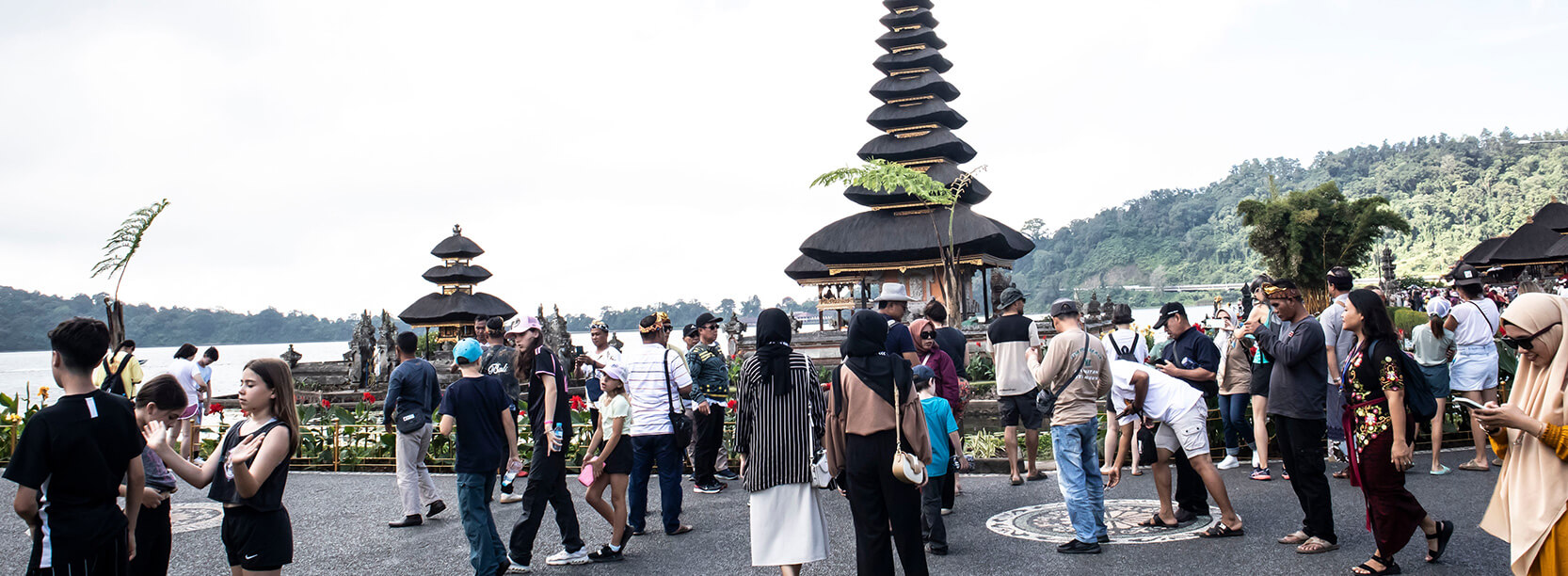
temples in bali

Spring in Indonesia marks the transition from the wet season to the dry season. Rainfall decreases, humidity becomes more manageable and landscapes remain lush from months of rainfall. For Australians who prefer mild conditions and lower footfall, spring is one of the most rewarding times to visit.

Bali’s quieter beaches

March and April see fewer crowds in areas like Sanur, Canggu and Nusa Dua. Conditions are generally warm, and outdoor attractions such as Ubud’s rice terraces and waterfalls are still vibrant from recent rains.

This period is also ideal for diving around Amed and Menjangan Island. Visibility improves as rainfall reduces, and marine life remains active.

Yogyakarta and Central Java

For cultural travellers, spring offers comfortable temperatures to explore Borobudur, Prambanan and the city’s heritage districts. May is especially favourable for sightseeing because humidity drops and skies are clearer.

Komodo National Park

Komodo’s calm seas in April and May are excellent for liveaboard cruises. Travellers can spot manta rays, explore Pink Beach and hike Padar Island without peak season crowds.

North Sumatra

Lake Toba, one of the world’s largest volcanic lakes, enjoys cooler conditions during spring. It is suitable for travellers wanting mild temperatures and nature based activities.

Overall, spring holiday destinations in Indonesia for Aussies offer a blend of cultural experiences, outdoor activities and quieter travel conditions.


Summer Highlights (June to August) for Australians

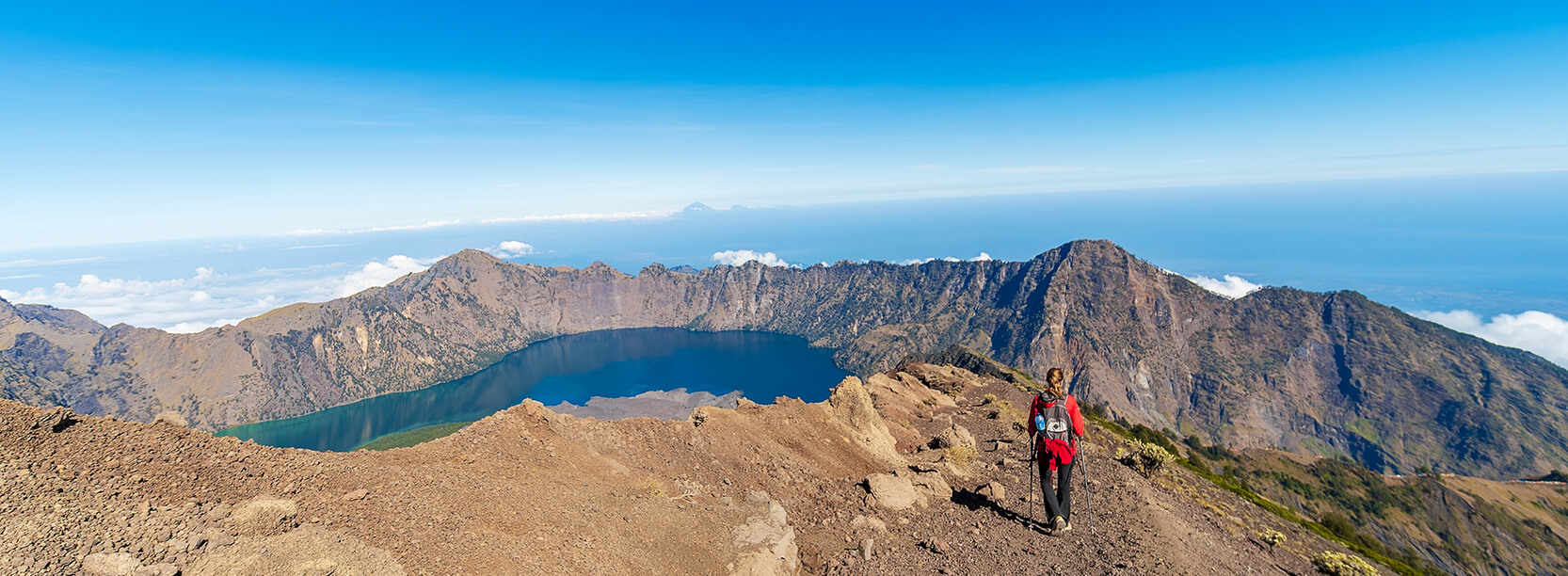
Lombok mountain range

Australian winter aligns with Indonesia’s driest and most popular travel period. Weather is sunny, humidity is moderate and many regions open up for activities that depend on stable conditions.


Bali’s peak season appeal


June to August is widely considered the best time to visit Bali for Australians. Temperatures average around 27 to 29 degrees Celsius, ideal for beaches, surfing and outdoor tours.

South Bali’s surf spots, including Uluwatu, Padang Padang and Bingin, experience consistent swells. Inland, the Campuhan Ridge Walk and Mount Batur sunrise trek become more comfortable due to lower humidity.

However, Australians should expect higher prices and busier attractions, especially in July.

Lombok and the Gili Islands

Lombok island

Clear waters during Indonesia’s summer months make the Gili Islands a top choice for snorkelling and diving. Lombok’s hiking trails, including Mount Rinjani, are also most stable during this period.

East Java

June to August is the safest period to visit Mount Bromo and Ijen Crater because visibility is higher and rainfall is minimal. Sunrise views over Bromo Tengger Semeru National Park are particularly striking.

Raja Ampat’s off peak tranquillity

While December to April is Raja Ampat’s primary diving season, June and July offer calm seas in several areas. This period also sees fewer visitors, providing a peaceful alternative to busier destinations.


Weather Tips for Bali, Jakarta and Beyond


Indonesia spans more than 17,000 islands, and its weather varies by region. Australians planning spring or summer travel should keep the following guidance in mind.

Bali

Spring temperatures range from 26 to 31 degrees Celsius, with occasional showers in March. By May, rainfall drops significantly. Summer months are dry, with mild evenings and favourable sea conditions.

Jakarta

Jakarta’s spring months are warm and humid, with average temperatures around 30 degrees Celsius. Rainfall decreases in May. In summer, the city is hot but less rainy, making it easier to explore museums, cafes and historical areas.

Yogyakarta

Spring brings scattered showers, but sightseeing remains comfortable. Summer is dry and sunny, which helps travellers visit temples and outdoor attractions with ease.

Eastern Indonesia

Regions like Flores, Sumba and the Maluku Islands are generally dry from April to September. These months are suitable for trekking, diving and cultural tours.

Travellers should monitor local weather updates, especially when visiting mountainous or remote areas.


Seasonal Festivals Australians Can Experience


Indonesia’s spring and summer are marked by major cultural events that attract visitors from around the world.

Nyepi (March)

Known as the Day of Silence, Nyepi is observed across Bali. Airports close for 24 hours, streets remain silent and Balinese Hindu communities engage in prayer and reflection. The Ogoh Ogoh parade on the eve of Nyepi is a highlight.

Vesak at Borobudur (May)

This Buddhist celebration is one of Central Java’s most significant spiritual events. Monks carry out rituals around Borobudur, creating a serene and memorable atmosphere for visitors.

Bali Arts Festival (June to July)

Held in Denpasar, this long running festival showcases traditional dance, music and cultural performances. It is an excellent opportunity for Australians to experience Balinese arts.

Yadnya Kasada (June or July)

Celebrated by the Tenggerese community in East Java, this festival takes place at Mount Bromo. It involves offerings made into the volcano’s crater and draws many cultural travellers.


Final Tips for Planning Seasonal Trips from Australia


Spring and summer each offer distinct advantages. Australians travelling in spring can enjoy quieter attractions, greener landscapes and generally lower prices. Summer brings peak season vibrancy, dependable weather and ideal conditions for outdoor activities.

When planning seasonal travel:

Book flights early during June to August. This helps manage higher demand and peak pricing.

Consider regional variations. Bali may be dry while parts of West Papua may still receive rainfall.

Check official Indonesian government websites before travelling. Australians can apply for an e-VoA online through official partner of the Indonesian government website. Staying updated helps ensure smooth entry.

Allow extra time during major festivals. Cultural events can affect traffic, accommodation availability and opening hours.


Frequently Asked Questions

Yes. June to August offers dry conditions, mild humidity and ideal temperatures for beaches and outdoor activities.

Key events include Nyepi in March and Vesak at Borobudur in May. Smaller regional festivals also take place across the islands.

High altitude areas such as Lake Toba, Bandung and the Dieng Plateau remain cooler compared with coastal destinations.

Airfares are often higher in July and August due to school holidays and increased demand.

Generally yes. March and April see lower visitor numbers, contributing to shorter queues and more availability in popular areas.

For the latest entry requirements, Australians can check official channels or apply for an e-VoA online through official partner of the Indonesian government website.