Things Indian Travelers Should Not Do in Indonesia
Written by: VFS Global | Updated: May 25, 2026


Indonesia’s blend of diverse cultures, religions and traditions makes it one of the most fascinating destinations for Indian travellers. However, understanding what not to do is just as important as knowing what to explore. Small cultural missteps can unintentionally offend locals or disrupt religious customs. Being aware of these expectations helps ensure a smooth and respectful journey.
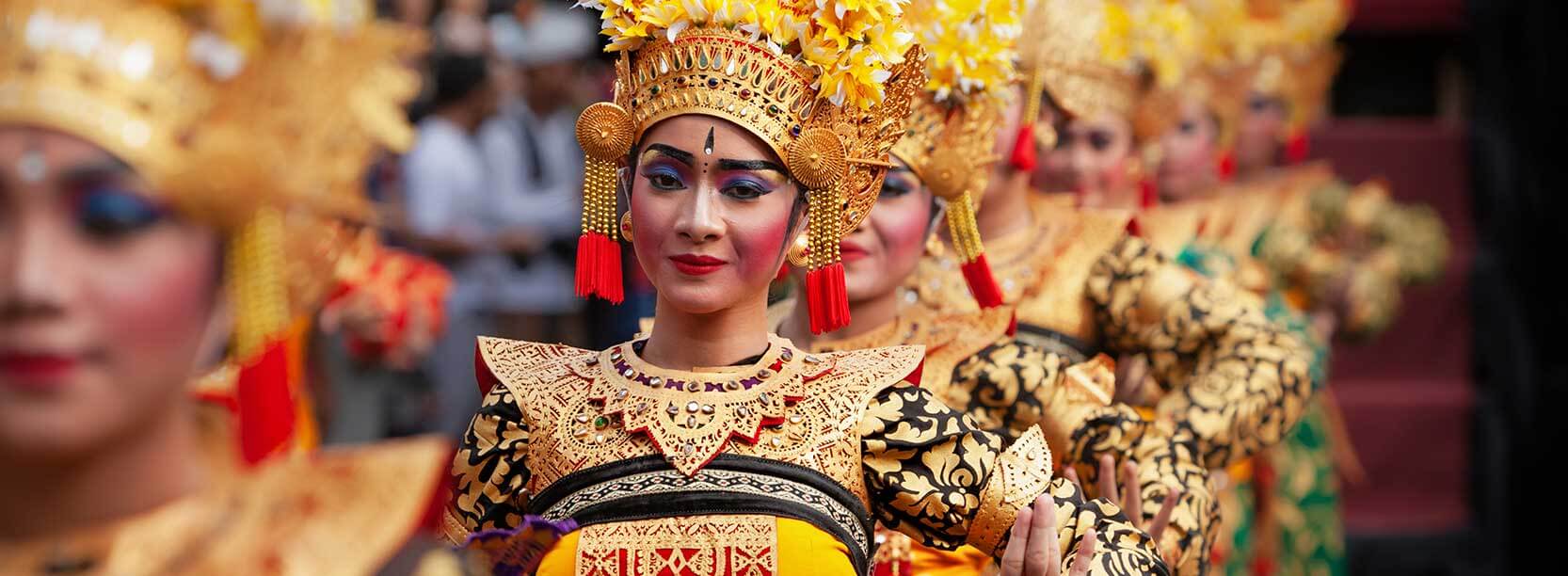
Indonesia’s population includes Muslims, Hindus, Buddhists and Christians living side by side. What is considered acceptable in India may be interpreted differently here. Respect for religion, community and public behaviour is deeply ingrained in Indonesian society, making cultural awareness essential for any visitor.


When visiting religious sites, modest dressing is mandatory. In Bali’s Hindu temples, both men and women must wear a sarong and sash, with shoulders and knees covered. Many temples provide these garments for a small fee.
Always remove shoes before entering mosques, temples or homes that observe traditional customs. Wearing footwear in sacred places is considered disrespectful.
Temples and mosques expect quiet behaviour. Public displays of affection or loud talking are considered disruptive and disrespectful.
Some rituals are private and photographing them without approval may offend worshippers. Always ask before taking photos.
Urban areas like Jakarta are relaxed, but modest attire is still recommended in religious or rural zones.
In Indonesia, the left hand is considered impure. Use only your right hand, or both hands, when giving or receiving money, gifts or food.
Hugging or kissing in public, especially outside tourist zones, is frowned upon and may attract unwanted attention.
In Bali, locals place canang sari (daily offerings) on pavements. Accidentally stepping on them is seen as disrespecting their faith.
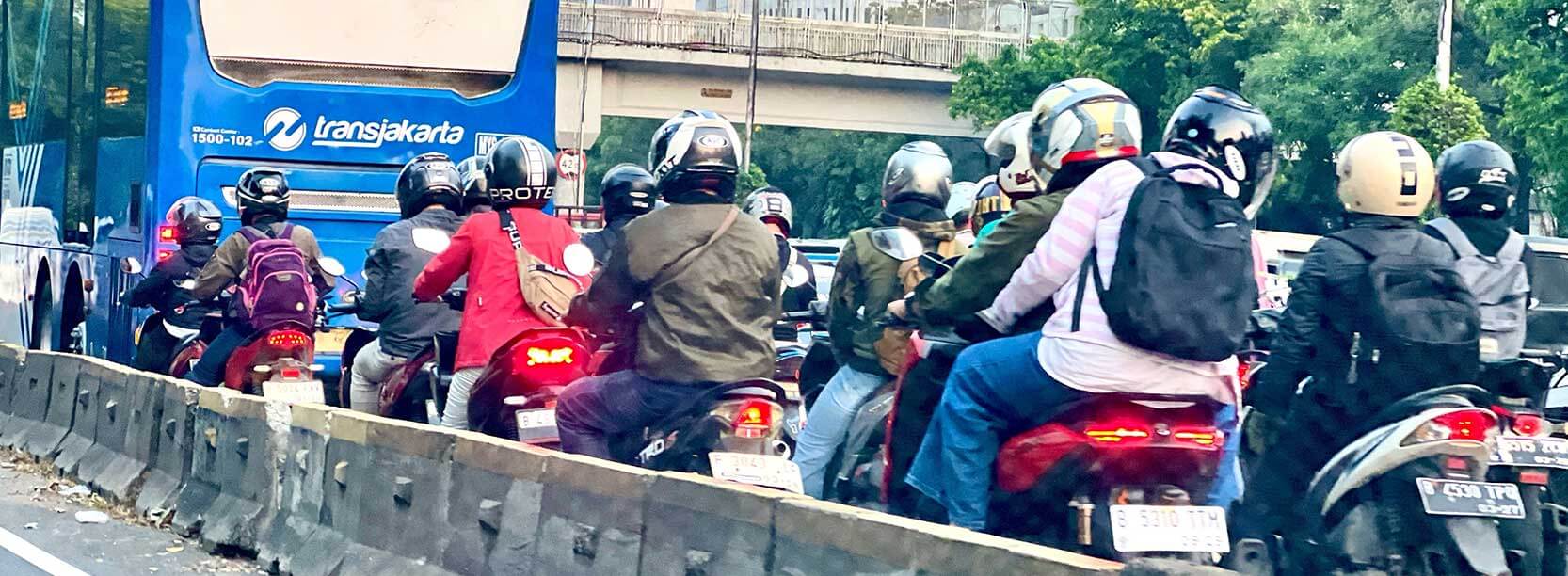
Jakarta and Bali are known for heavy traffic. Visitors often misjudge travel time and end up late for temple sessions or tours.
Using the right hand, not pointing feet towards people or religious icons, and avoiding head touching are important aspects of local etiquette.
Even though Bali is more relaxed, other islands are conservative. Avoid physical affection in public across all regions.
Tap water is safe for bathing and cooking but not for direct drinking. Stick to bottled or boiled water.
Religion and ethnicity are sensitive topics. Even light hearted jokes may offend in Indonesia’s diverse social fabric.
The head is considered sacred. Avoid touching anyone’s head, including children.
While common in tourist zones, drinking publicly in more Islamic regions is inappropriate. Keep alcohol consumption discreet.
Indonesia welcomes Indian travellers with warmth, natural beauty and a rich cultural experience. Respecting local customs is key to forming positive connections and enjoying your journey with ease. By avoiding behaviours that clash with Indonesian etiquette, travellers not only show cultural sensitivity but also gain a more authentic and fulfilling experience. A little awareness goes a long way in ensuring your trip is memorable for all the right reasons. Make sure you use the official partner site to complete your online application before you fly.
