Do GCC Residents Need Indonesia eVOA? Visa Rules Explained
Written by: VFS Global | Updated: January 27, 2025


Indonesia continues to be a popular destination for residents of the Gulf Cooperation Council, particularly those living in the United Arab Emirates. Bali, Jakarta, Lombok, and Yogyakarta attract travellers for leisure, family visits, and short business travel. However, many travellers remain unsure whether GCC residency status affects visa eligibility.
The key point to understand is that Indonesia’s visa policy is based on passport nationality, not residency. Holding a UAE residence visa, Emirates ID, or GCC residency permit does not change visa requirements for Indonesia.
This guide explains Indonesia’s e-Visa on Arrival rules for GCC residents, clarifies who needs a visa, outlines required documents, and explains arrival procedures to help travellers prepare correctly.

Visa-free entry to Indonesia is determined strictly by citizenship.
At present:
Visa-free travel to Indonesia applies mainly to ASEAN member states and a limited group of other nationalities. As a result, GCC residents should always check their passport nationality rather than their residence permit when planning travel.
For short visits such as tourism, family visits, or transit, most travellers from the GCC region use either the Visa on Arrival (VoA) or the electronic Visa on Arrival (e-VoA).
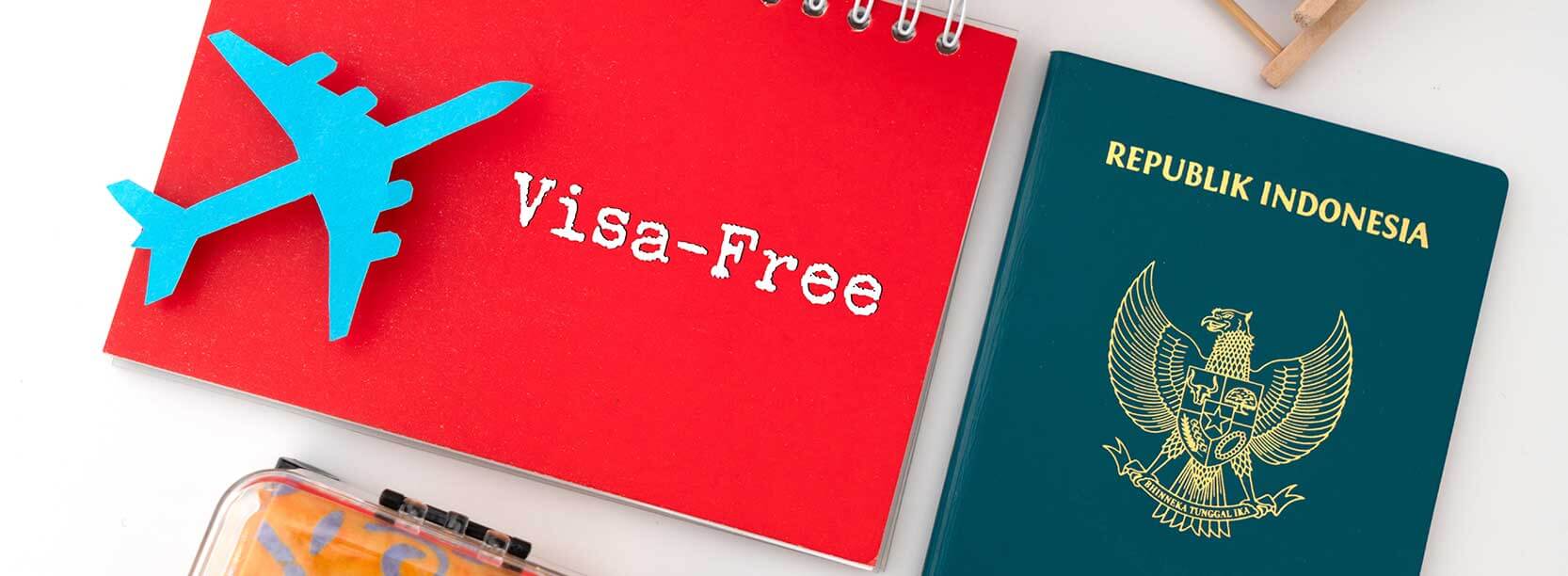
The e-VoA is an electronic version of the standard Visa on Arrival and allows travellers to complete visa formalities online before departure.
The e-VoA is available to eligible passport holders travelling for short-term purposes.
The e-VoA is particularly useful for travellers departing from busy airports such as Dubai, Abu Dhabi, or Doha, as it reduces time spent at immigration counters upon arrival in Indonesia.
Travellers planning longer stays, employment, or study must apply for a different visa category before travel.
Visa on Arrival (VoA) and e VoA are not available for Pakistani, Bangladeshi, or Sri Lankan nationals.

All travellers applying for an Indonesia e-VoA must ensure they meet the documentation requirements set by Indonesian immigration authorities.
For example, an Indian passport holder living in Dubai with a valid Emirates ID must still apply for e-VoA or obtain a Visa on Arrival. Residency alone does not change this requirement.
Travellers entering Indonesia using e-VoA or Visa on Arrival must follow standard immigration procedures.
Upon arrival at designated international airports such as Denpasar Bali, Jakarta Soekarno-Hatta, or Surabaya:
Travellers who intend to stay longer than 60 days should apply for an appropriate long-stay visa prior to travel.
For GCC residents, especially those living in the UAE, the most important point to remember is that Indonesia’s visa rules are determined by passport nationality, not residency. Misunderstanding this can result in boarding issues or delays at immigration.
Eligible travellers are advised to apply for Indonesia e-Visa on Arrival online before departure to ensure a smoother entry experience. Always verify the latest requirements through official partner of the Indonesian government website or authorised e-VoA platforms before travelling.
Planning ahead helps avoid complications and allows you to focus on enjoying your trip to Indonesia.
